
Commercial Laundry Energy
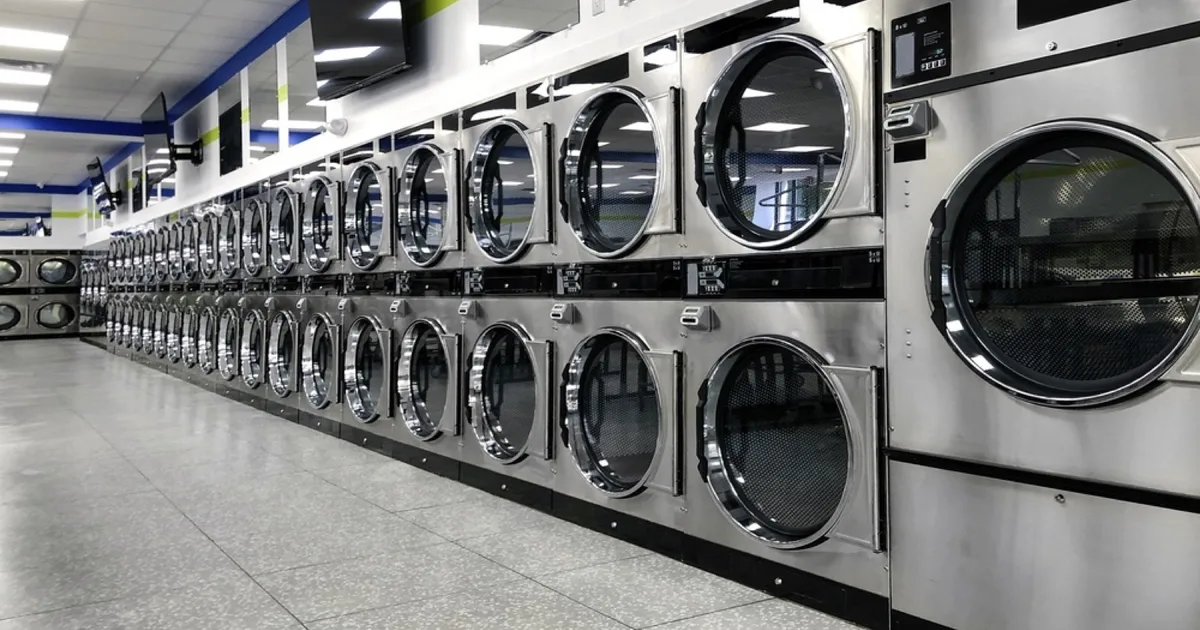
Commercial laundry sits in the top tier of energy-intensive commercial processes. A hotel laundry processing 500kg of linen per day — sheets, towels, robes — will consume between 750 and 1,000 kWh of electricity and a substantial volume of gas or steam energy daily. For a standalone linen hire or contract laundry operation processing several tonnes per day, the annual energy bill can run to hundreds of thousands of pounds. Energy is typically the second largest cost after labour, and unlike labour, it can be structured and procured strategically.
The kWh-per-kg benchmark and what it tells you
The standard efficiency benchmark for commercial laundry is expressed in kWh per kilogram of processed linen. For a well-run modern laundry operation, the target is 0.3 to 0.5 kWh/kg for electricity and 0.8 to 1.2 kWh/kg for thermal energy (steam or hot water). Older equipment, poorly insulated pipework, inefficient dryers, or process gaps that require rewashing will push those figures substantially higher — 0.8 to 1.2 kWh/kg for electricity and over 2 kWh/kg for thermal are not uncommon in laundries that haven’t been audited in recent years.
The practical value of this benchmark is that it gives operators a reference point for assessing whether their energy cost is a procurement problem or an operational one. A laundry paying a competitive contracted rate but consuming 1.1 kWh/kg of electricity will spend more on energy than one paying 15% above market rate but operating at 0.4 kWh/kg. Getting both right is the goal — but understanding which problem is larger determines where to focus first.
Where the energy goes: steam, heat, and dryers
The thermal energy load in a commercial laundry is dominated by washing — heating water to the required process temperature and maintaining it through the wash cycle. Modern high-efficiency washer-extractors use significantly less water than older designs and incorporate higher spin speeds, reducing the moisture content going into the dryer, which is the most energy-intensive stage of the process.
Drying accounts for a disproportionate share of energy costs because it involves removing residual moisture against the natural resistance of the fabric. Heat pump tumble dryers — which recirculate process air and extract moisture at lower temperatures — use 50 to 60% less energy per cycle than conventional dryers. The capital cost is higher, but at current energy prices the payback is typically two to four years for a high-throughput operation.
Steam distribution networks in larger laundries are a perennial source of energy waste. Steam traps fail open or closed, distribution pipework loses insulation, and condensate return systems deteriorate over time. A steam audit on a laundry that hasn’t had one in five years routinely reveals 10 to 20% of steam being wasted in distribution before it reaches process equipment.
Time-of-use tariffs: the shift-shifting opportunity
Commercial laundries that can flex their operating schedules have a genuine opportunity to benefit from time-of-use electricity pricing. Wholesale electricity prices in the UK are significantly lower overnight (typically 22:00 to 06:00) and at weekends than during weekday morning and evening peaks. A laundry operation that can run its highest-draw wash cycles during these periods — and is on a contract structure that passes through time-of-use pricing — will pay substantially less per kWh for that consumption.
The practical constraint is labour: running at night requires night-shift staffing, and the energy saving needs to outweigh the additional labour cost. For laundries serving hospital trusts or large hotel groups where volume is predictable and contractually committed, the business case for a night shift dedicated to base-load processing is often compelling.
The procurement angle: volume certainty commands better rates
Commercial laundries — particularly those serving institutional customers on long-term linen supply contracts — have one of the most predictable consumption profiles available to the energy market. A laundry processing a contracted volume for an NHS trust or a hotel group knows, weeks in advance, approximately how many tonnes of linen it will process. That translates into a foreseeable energy consumption profile that suppliers can price with confidence.
Predictability is a procurement asset. Suppliers price risk, and a business that can reduce a supplier’s uncertainty about future consumption gives them a reason to price more keenly. We work with commercial laundries to present their consumption story accurately — including contracted processing volumes, shift patterns, and any planned changes to capacity — before going to market. The difference between a well-prepared tender and a standard annual renewal is routinely 8 to 15% on the unit rate.
📱 WhatsApp: 07360 272168 | 📧 hello@telnergy.com | 📞 01202 028888 Telnergy Limited · Independent commercial energy consultancy since 2002 · Ofgem-aligned consultancy · ADR Ref E3561 · CRN 04576876 · Christchurch, Dorset
FAQ
We process both healthcare linen and standard hotel linen. Does that affect our energy procurement? It affects your energy profile rather than your procurement structure directly. Healthcare disinfection cycles run at higher temperatures and for longer minimum cycle times than standard linen processing, which increases both water heating energy and cycle time. If healthcare processing accounts for a significant proportion of your volume, your thermal energy intensity per kilogram will be higher than a hotel-only laundry — and this should be reflected in your consumption data when you go to market.
We’re a hospital linen services department considering outsourcing to a contract laundry. Does that change our energy procurement position? Yes — materially. If you outsource, your energy consumption associated with laundry ceases entirely. Before outsourcing, it’s worth understanding the current contract and whether it can be exited or renegotiated to reflect the reduced demand. Your energy broker should be involved in the outsourcing decision timeline, not told about it afterwards.
Water softening is a significant part of our process. Is this an energy consideration? Water softeners are primarily a water quality and equipment-protection consideration. The indirect energy benefit is that softened water significantly extends the life of heating elements and improves wash chemistry efficiency — hard water scaling on heating elements increases their energy consumption by up to 20% relative to a scale-free element. So while the softener isn’t a primary energy cost, it’s a legitimate energy efficiency tool for any laundry in a hard water area.
Telnergy Limited is an independent commercial energy consultancy established in 2002, based in Christchurch, Dorset. Ofgem-aligned consultancy · ADR Ref E3561 · CRN 04576876.