
DUoS Charges: Understanding Your Distribution Network Costs
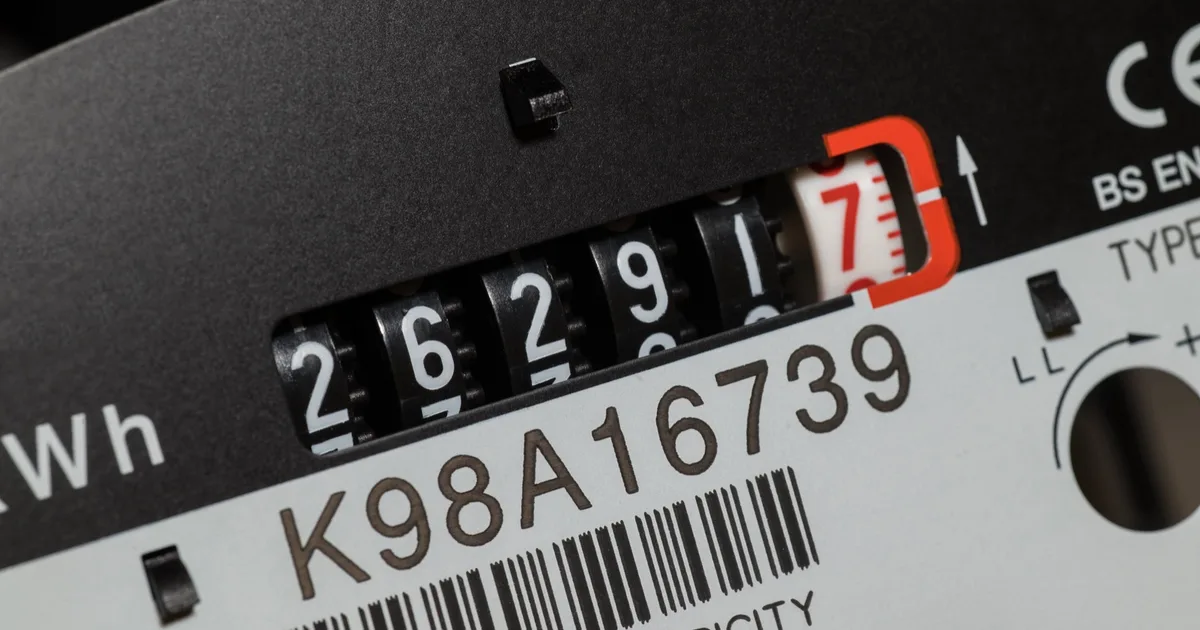
DUoS Charges Fund the Local Distribution Network That Delivers Electricity From the Grid to Your Premises. Unlike TNUoS, You Can Actively Reduce Your DUoS Costs by Shifting When You Use Electricity.
Distribution Use of System charges — DUoS — are the costs recovered by regional Distribution Network Operators (DNOs) for operating and maintaining the local electricity distribution network. This is the infrastructure at lower voltage levels — the substations, cables, and transformers that take electricity from the high-voltage transmission network and deliver it to businesses, homes, and other users at usable voltages.
DUoS is a significant component of the business electricity bill — typically 10–15% of the total all-inclusive unit rate. Unlike most other bill components, DUoS has a time-of-use structure that creates a genuine financial incentive for businesses with flexible consumption to shift their electricity use to lower-cost periods.
The DUoS Time-of-Use Structure
DNOs charge DUoS on a time-of-use basis, with three bands that reflect the cost of using the distribution network at different times:
Red band (peak): The highest-cost period, reflecting the times when the distribution network is under greatest stress. Red band periods are typically weekday afternoons and evenings — most commonly 4pm to 7pm on weekday days throughout the year, though the exact timing varies by DNO and is set in each DNO’s published tariff schedule. Red band DUoS rates are the highest of the three tiers.
Amber band: Intermediate periods — typically weekday mornings and early afternoons when network loading is moderate. Amber band DUoS rates sit between red and green.
Green band: Off-peak periods — overnight (typically 11pm to 6am or 7am), weekends, and bank holidays. Green band DUoS rates are the lowest and in some cases are minimal. Consuming electricity during green band periods attracts the lowest DUoS contribution to the overall unit cost.
The specific band definitions — the exact times at which each band applies — vary between DNO regions. The timing for a business in London (UK Power Networks territory) differs from one in the South West (Western Power Distribution, now National Grid Electricity Distribution). Your DNO determines your DUoS band schedule.
How DUoS Appears on Your Bill
On a standard all-inclusive fixed contract, DUoS is embedded in the unit rate. The supplier has blended the expected DUoS cost across your consumption pattern into the overall rate you pay. You don’t see a separate DUoS line item.
On a pass-through or HH-settled contract, DUoS charges may appear as separate line items reflecting actual time-of-use settlement. If you are half-hourly settled, your actual consumption in each band is measured and charged at the relevant band rate. This creates a direct financial incentive for load shifting — reducing consumption in red band periods and increasing (or scheduling) consumption in green band periods.
The DUoS Load-Shifting Opportunity
For businesses with any degree of consumption flexibility, DUoS time-of-use charges create a direct saving opportunity from load shifting — moving electricity consumption away from red band (4pm–7pm weekday) periods towards green band (overnight, weekends) periods.
Common load-shifting opportunities:
- EV and vehicle charging: Setting charging to begin after 11pm rather than immediately on plug-in avoids red band periods entirely for vehicles plugged in during the afternoon or evening
- Industrial process scheduling: Batch processes, heating cycles, and equipment with flexible start times can be scheduled to begin outside the 4pm–7pm window
- Pre-cooling and pre-heating: Running HVAC to cool or heat a building to the desired temperature before 4pm, then allowing the thermal mass to coast through the peak period with reduced HVAC operation
- Dishwasher and laundry cycles: In hospitality and care, scheduling washing equipment runs for overnight periods rather than early evening
- Battery storage discharge: Discharging stored electricity during red band periods, reducing net grid consumption during the expensive window
The financial value of load shifting depends on the size of the DUoS red band rate differential in your DNO area and the volume of consumption that can feasibly be moved. For larger industrial and commercial users on HH metering, the DUoS saving from systematic load shifting can be material — several thousand pounds per year for sites with 200+ kW of flexible load.
DUoS and Demand-Related Charges
Some DUoS tariff structures include a demand-related component — a charge based on your maximum demand (peak kW) recorded during demand-assessment periods, in addition to the time-of-use consumption charge. Demand-related DUoS charges apply to larger half-hourly metered supplies and create an additional incentive to manage peak demand.
For sites where demand-related DUoS applies, the combined impact of time-of-use consumption charges and demand charges makes active demand management — not just load shifting but also demand smoothing and startup sequencing — financially worthwhile.
Annual DUoS Resets
DNOs reset their DUoS tariff schedules annually, typically in April, following regulatory review by Ofgem under the RIIO (Revenue = Incentives + Innovation + Outputs) price control framework. DUoS rates can change from year to year — sometimes modestly, sometimes more significantly if the DNO’s allowed revenue changes materially.
On all-inclusive fixed contracts, DUoS rate changes during the contract period are absorbed by the supplier. On pass-through contracts, they are passed to the customer. This annual reset is one reason that multi-year pass-through contracts carry more cost uncertainty than equivalent all-inclusive contracts.
📱 WhatsApp Business: 07360 272168
📧 Email: hello@telnergy.com
📞 Direct line: 01202 028888
Telnergy Limited • Independent Energy Consultants since 2002 • Ofgem-Aligned Consultancy • Christchurch, Dorset
Telnergy Limited is an independent commercial energy consultancy established in 2002, based in Christchurch, Dorset. Ofgem-aligned consultancy · ADR Ref E3561 · CRN 04576876.