
EV Charging at Work: The Energy Cost No One Budgets For
A Workplace With 10 EV Chargers Could Be Adding £8,000–£15,000 Per Year to Its Electricity Bill. Most Finance Directors Don’t Know It Yet.
Workplace EV charging is being deployed across UK businesses faster than the energy cost implications are being understood. HR teams want it as a staff benefit. Sustainability managers want it as a Net Zero credential. Facilities teams install it because the OZEV grant covers part of the hardware cost. The energy bill lands three months later and no one budgeted for it.
This is not a niche problem. As EV adoption accelerates — the UK passed 1 million registered electric cars in 2024 — demand for workplace charging is growing rapidly. By 2026, workplace charging is shifting from a perk for early adopters to an expected staff benefit in many sectors. The electricity cost of providing it is real, recurring, and entirely foreseeable — which is why not forecasting it is indefensible.
The Electricity Cost of Workplace Charging: The Actual Numbers
The energy cost of workplace EV charging depends on three variables: the number of chargers, the average charge session duration, and the electricity unit rate. Here’s the calculation at current contracted commercial electricity rates of approximately 25p/kWh:
Single 7kW AC charger, 4-hour average session, 5 days/week, 48 working weeks:
- Annual consumption: 7 kW × 4 hrs × 240 days = 6,720 kWh/year
- Annual cost at 25p/kWh: £1,680/year per charger
10 chargers at this usage pattern:
- Annual consumption: 67,200 kWh/year
- Annual cost: £16,800/year
22kW AC charger (faster workplace charger, 2-hour session, same pattern):
- Annual consumption: 22 kW × 2 hrs × 240 days = 10,560 kWh/year
- Annual cost at 25p/kWh: £2,640/year per charger
For a business that installed 10 × 7kW chargers 18 months ago, the cumulative electricity cost since installation could already be £20,000–£25,000. If the energy contract wasn’t updated to reflect the additional consumption — or if the electricity budget wasn’t revised — this cost has been absorbed silently into a rising electricity bill without anyone identifying the cause.
Why Workplace Charging Doesn’t Show Up in the Budget
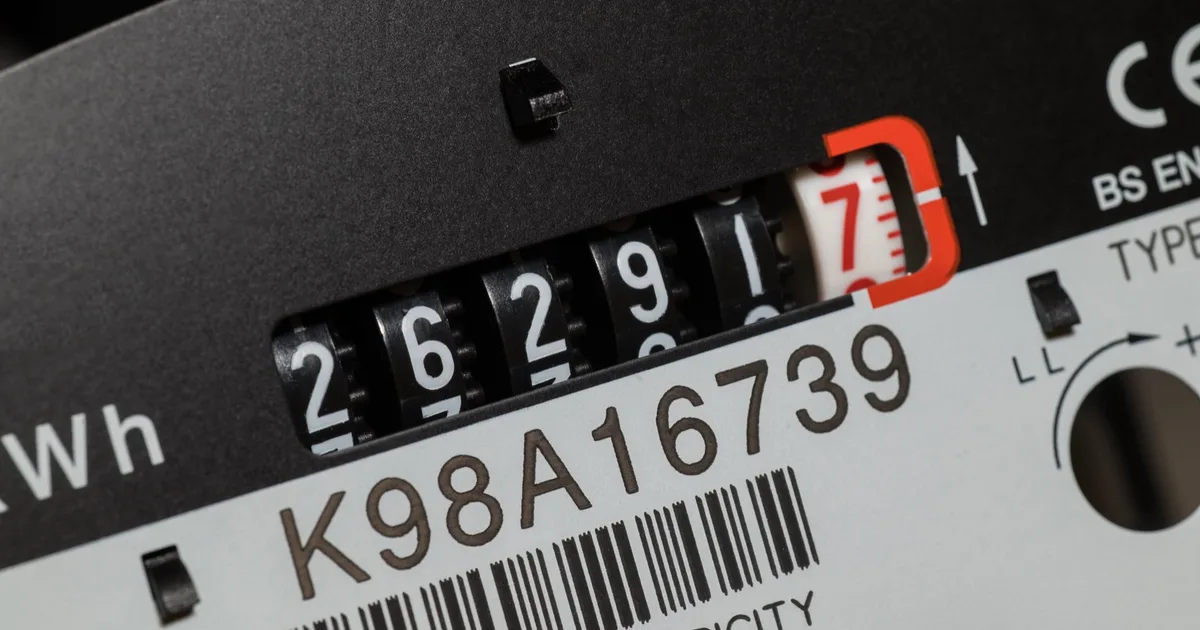
EV charging electricity cost has a specific characteristic that makes it easy to miss in budget management: it looks identical to every other unit of electricity on the bill. Your electricity meter records total site consumption — it does not distinguish between electricity consumed by lighting, computers, HVAC, and EV chargers unless you have sub-metering on the charging infrastructure.
The result is that electricity spend creeps upward after charger installation without a clear attribution. The facilities team sees a higher electricity bill. The finance director asks why. The answer — “we installed 10 EV chargers and didn’t account for the electricity” — is obvious in retrospect but apparently non-obvious at the point of charger procurement.
The fix is simple: sub-metering on the charging infrastructure, or at minimum a calculated estimate of charging consumption built into the electricity budget from the installation date. Neither requires capital investment beyond the sub-metering hardware (typically £500–£2,000 for a sub-meter on the charging circuit).
The Impact on Your Energy Contract
Workplace EV charging changes your electricity consumption profile in ways that matter to your energy contract:
Total annual consumption increases. If your current contract was priced on pre-EV consumption data, the contract may be undersized for your current usage pattern. On take-or-pay contracts, under-contracting can trigger out-of-contract top-up purchases at expensive rates for the excess consumption. On consumption-based contracts, the higher volume may actually improve your unit rate at the next renewal — volume pricing thresholds work in your favour as consumption grows.
Peak demand profile changes. EV charger startup adds to your site’s maximum demand. Ten 7kW chargers all starting simultaneously add 70kW to your peak demand register. This affects DUoS maximum demand charges and, for larger sites, TNUoS demand-based charges. Load management — staggered charge starts, power-sharing across chargers, smart charging scheduling — mitigates this peak demand impact without reducing the overall charging provision.
Consumption timing shifts. If workplace charging occurs primarily during the working day (9am–5pm), it adds to DUoS red band period consumption (4pm–7pm) at the end of the working day. Scheduling sessions to start earlier in the day, or implementing overnight charging for fleet vehicles, can reduce DUoS red band exposure.
Charging Cost Recovery: Should You Pass the Cost to Staff?
This is a question most employers haven’t systematically addressed. The options are:
Subsidised as a staff benefit: The business absorbs the full electricity cost of workplace charging as a staff benefit. This is the simplest model and the most common current practice. The cost is real but treated as part of the employee benefits package — analogous to providing free parking or subsidised canteen meals. HMRC provides a specific employer exemption for workplace EV charging costs, meaning no benefit-in-kind tax applies to employees charging their personal EVs at work, provided certain conditions are met.
Cost recovery via smart charger billing: Smart charging hardware (ChargePoint, Pod Point, Ohme, and others) supports per-session billing to individual users via RFID card, app authentication, or payment terminal. The employer installs the infrastructure; staff pay for the electricity they consume. This model requires a charging management platform and a billing arrangement, but is operationally straightforward and eliminates the employer’s ongoing electricity cost for personal vehicle charging.
Flat-rate contribution: A simpler variant of cost recovery — employees with charging access pay a monthly flat rate (e.g., £20–£40/month) regardless of actual sessions. Less accurate than per-session billing but administratively simple and typically covers a significant proportion of the actual electricity cost for the employer.
Fleet Charging: The Larger-Scale Version of the Same Problem
Businesses operating electric commercial fleets — delivery vans, service vehicles, pool cars — face the same electricity cost challenge at larger scale. A depot charging 20 electric vans overnight, each needing 40–80 kWh to reach full charge, is adding 800–1,600 kWh of electricity demand every operating night. At 25p/kWh, that’s £200–£400 per night, or £50,000–£100,000 per year.
At this scale, fleet charging electricity procurement is a material budget line — not a background utility overhead. The timing of fleet charging (overnight, during off-peak grid periods) creates genuine opportunity for time-of-use tariffs that reduce the per-kWh cost of charging versus daytime grid rates. A fleet operator moving charging to overnight periods on a time-of-use contract at 12–15p/kWh versus a daytime rate of 25p/kWh saves 10–13p/kWh — on 100,000 kWh/year of fleet charging, that’s £10,000–£13,000/year in procurement savings from tariff structure alone.
What to Do Right Now
- Calculate your current EV charging electricity cost. If you have chargers installed and no sub-metering, use the charger management system data (most smart chargers record session energy) to estimate annual consumption. Multiply by your unit rate.
- Add EV charging consumption to your electricity budget. It is a real cost, it is recurring, and it will grow as staff EV adoption grows.
- Review your energy contract consumption data. If annual consumption has increased materially since your last contract was negotiated, the contract may need updating at the next renewal to reflect current consumption levels.
- Assess load management. If you have multiple chargers, confirm that power-sharing or load management is configured to prevent simultaneous full-power starts from spiking your peak demand register.
- Consider time-of-use scheduling. For overnight or weekend charging, scheduling sessions into off-peak periods can reduce electricity cost per kWh if your contract supports time-of-use pricing.
Talk to Telnergy About EV Charging and Your Energy Contract
We include EV charging consumption in our electricity contract reviews for clients who have deployed charging infrastructure. If your contract hasn’t been updated to reflect post-EV consumption levels, the next renewal is the opportunity to do so — and to assess whether a time-of-use structure makes financial sense for your charging profile.
📱 WhatsApp Business: 07360 272168
📧 Email: hello@telnergy.com
📞 Direct line: 01202 028888
Telnergy Limited • Independent Energy Consultants since 2002 • Ofgem-Aligned Consultancy • Christchurch, Dorset
Telnergy Limited is an independent commercial energy consultancy established in 2002, based in Christchurch, Dorset. Ofgem-aligned consultancy · ADR Ref E3561 · CRN 04576876.