
The Future of UK Gas: Hydrogen, Biomethane, and What It Means for Business
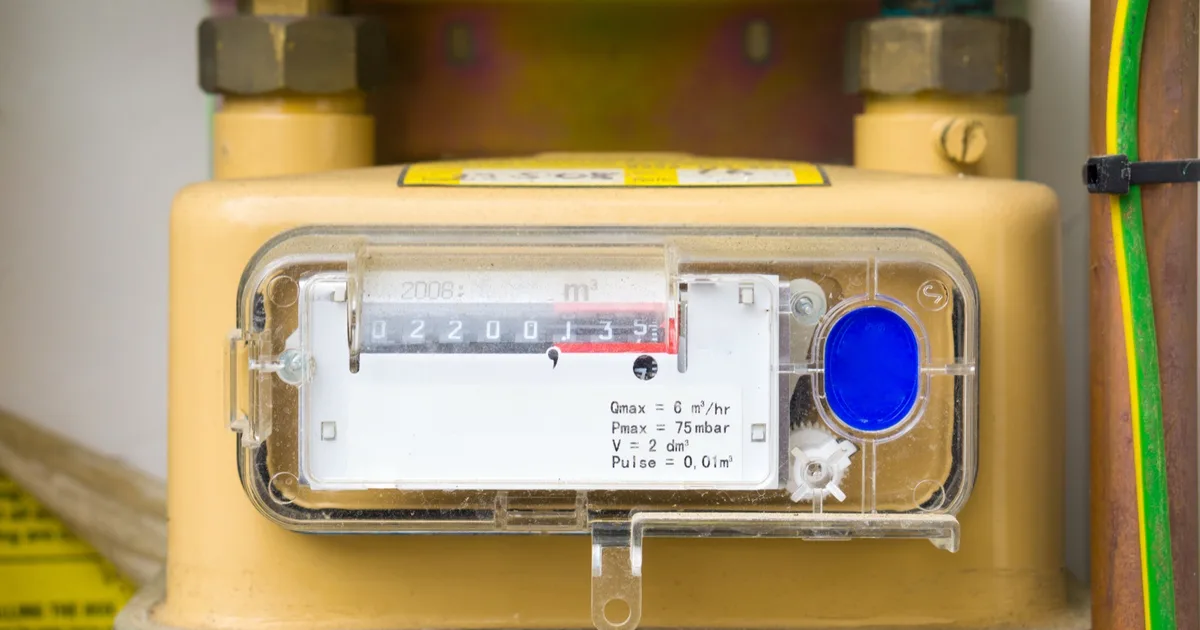
The UK gas network currently carries natural gas — overwhelmingly methane derived from fossil sources — to 23 million homes and businesses. The question of what replaces that gas, and on what timeline, is one of the most consequential and least resolved questions in the UK energy transition. Two candidates dominate the conversation: hydrogen and biomethane.
Biomethane: the near-term reality
Biomethane is methane produced from biological sources — primarily anaerobic digestion of agricultural waste, food waste, sewage sludge, and energy crops. Chemically identical to natural gas, it can be injected directly into the existing gas network without modification to distribution infrastructure, metering systems, or end-user appliances. The UK has a growing biomethane injection capacity, supported by the Renewable Gas Guarantee of Origin (RGGO) certificate scheme. Some suppliers offer “100% renewable gas” tariffs backed by RGGOs — in the same way that renewable electricity tariffs are backed by REGOs.
The honest limitation: biomethane production capacity in the UK is a fraction of total gas demand and is likely to remain so. The feedstock available for anaerobic digestion is finite. Biomethane is a meaningful contribution to decarbonising gas supply for specific sectors, but it cannot replace the entire gas network on a like-for-like basis.
Hydrogen: the long-term debate
Hydrogen burns without producing CO₂ and can in principle be produced from water using electrolysis powered by renewable electricity — so-called green hydrogen. It can also be produced from natural gas with carbon capture — blue hydrogen. The UK government has been evaluating hydrogen blending (adding up to 20% hydrogen by volume to the existing gas network) and hydrogen town trials.
The challenges at network scale are substantial. Green hydrogen production at scale requires enormous quantities of renewable electricity competing against direct electrification of heating and transport. Current green hydrogen production costs are significantly higher than natural gas. The policy position as of 2025 has shifted away from widespread residential hydrogen heating toward heat pumps as the primary decarbonisation pathway. Hydrogen’s most credible near-term role is in industrial applications where electrification is not viable — high-temperature process heat in manufacturing, steel, and cement.
What this means for business energy strategy
For most UK SMEs, natural gas will remain the primary fuel for space heating and process heat through the rest of this decade and likely into the 2030s. The decarbonisation pathway for gas is biomethane blending at the margin, not imminent network replacement. Businesses planning significant capital investment in gas-fired plant — boilers, CHP, process heating — should consider the 15–20 year asset life against the trajectory of gas in the energy mix. Investments with long payback periods need a view on fuel switching risk that shorter-payback investments don’t.
Telnergy advises on both gas and electricity procurement — and on how the fuel switching trajectory should inform contract length decisions for gas-heavy businesses.
📱 WhatsApp: 07360 272168 | 📧 hello@telnergy.com | 📞 01202 028888 Telnergy Limited · Independent commercial energy consultancy since 2002 · Ofgem-aligned consultancy · ADR Ref E3561 · CRN 04576876 · Christchurch, Dorset
Telnergy Limited is an independent commercial energy consultancy established in 2002, based in Christchurch, Dorset. Ofgem-aligned consultancy · ADR Ref E3561 · CRN 04576876.