
Multi-Site Energy Procurement: Why Consolidation Almost Always Wins
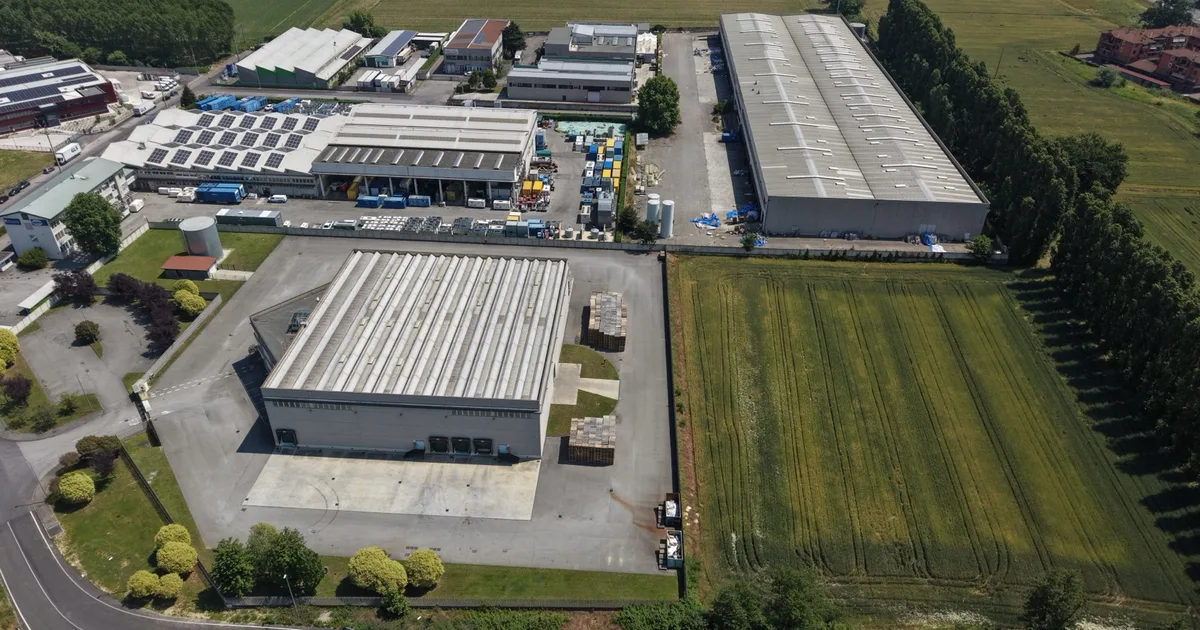
A Business with 5 Sites on 5 Separate Contracts Is Almost Always Paying More Than One with 5 Sites on a Consolidated Strategy. The Exceptions Are Rare.
Multi-site energy procurement is one of the most consistently underoptimised areas in UK commercial energy management. It’s underoptimised not because the savings aren’t real — they are, typically 10–20% over equivalent single-site procurement — but because the default path for growing businesses is to add sites one at a time, taking whatever contract the site’s previous occupant had or contracting each site independently as it comes online. The result is a portfolio of contracts with different suppliers, different rates, different end dates, and no coordination between them.
This fragmented approach is expensive. Consolidating it is one of the most reliable savings exercises available to any UK business operating more than two sites.
Why Consolidated Procurement Produces Better Rates
Energy suppliers price business contracts based on risk and volume. The risk component relates to creditworthiness, consumption predictability, and the administrative cost of managing the account. The volume component is straightforward — larger buying volumes attract more competitive rates because the supplier earns more revenue from the relationship and can afford thinner margins.
When a business presents five sites to the market as a single procurement package, three things happen that don’t happen when those sites are contracted individually:
Volume pricing: The total annual consumption across all sites is the tender quantity. A business spending £20,000 per year at each of five sites has an aggregate spend of £100,000. Suppliers competing for a £100,000 account sharpen their rates differently than they do for five separate £20,000 accounts. The threshold for meaningful volume pricing in the non-domestic market is roughly £50,000–£75,000 annual spend — a figure that many individual sites don’t reach but that a multi-site portfolio typically does.
Administrative efficiency: A supplier taking on five sites in a single contract has lower account management cost per unit of revenue than a supplier managing five separate single-site accounts with five separate billing processes, five sets of correspondence, and five separate renewal cycles. Some of this saving is passed to the customer through competitive pricing; it’s part of why consolidation attracts better terms.
Negotiating leverage: Presenting a multi-site package to the market gives the buyer genuine leverage. “We’re tendering all five sites and awarding to a single supplier” is a materially more attractive proposition than “we’d like to move site three to you.” Suppliers compete differently for the whole portfolio.
The Coordination Benefit: One Renewal Cycle, Not Five
Beyond unit rate savings, consolidated procurement delivers an administrative and management benefit that scales with the number of sites: instead of managing five different renewal dates, five notification deadlines, and five different supplier relationships, you manage one.
For a business owner or facilities manager already stretched across multiple responsibilities, this reduction in complexity is not trivial. The risk of missing an auto-renewal deadline on any one of five sites — each with a different notification window and a different supplier — is substantially higher than the risk of missing a single consolidated renewal date. And each missed deadline, as covered in the auto-renewal article, can cost thousands of pounds.
Aligning contract end dates across a multi-site portfolio — so that all sites renew simultaneously — is a one-time coordination exercise that yields permanent management benefits. It requires planning lead time (some contracts will need to be extended or shortened to align) but is achievable within a 12–18 month consolidation programme.
How Consolidation Works in Practice
The process for consolidating a multi-site energy portfolio typically follows this sequence:
Step 1 — Audit the current portfolio. Collect all current contract details: supplier, unit rates, standing charges, contract start and end dates, notification windows, and annual consumption for each site. This is frequently the step that reveals how disorganised the current position is — missing contract documents, unknown end dates, or sites already past their notification window.
Step 2 — Identify consolidation opportunities. Review which contracts are approaching renewal and whether any can be terminated early without excessive exit charges. Establish a target renewal date — a single date at which all or most sites will renew simultaneously going forward.
Step 3 — Prepare the consolidated tender package. Compile total consumption data across all sites, including any site-specific characteristics (maximum demand, meter type, consumption profile) that affect pricing. Present the total package to the market as a single procurement.
Step 4 — Evaluate consolidated bids. Compare supplier bids on a whole-portfolio basis. Some suppliers will offer a portfolio rate; others will bid site by site but with enhanced rates reflecting the package value. The comparison requires total-cost analysis across all sites, not just headline unit rates.
Step 5 — Execute and align. Contract all sites with the winning supplier (or a small number of suppliers if a split makes commercial sense for specific sites). Align contract end dates to a common renewal window. Set up a single annual review process.
When Consolidation Has Limits
Multi-site consolidation is not universally optimal. There are specific circumstances where some or all sites should be contracted separately:
Sites with significantly different consumption profiles: A manufacturing site with high baseload gas consumption and a small office don’t necessarily benefit from the same supplier or the same contract structure. Some suppliers are strong on gas-heavy industrial profiles but less competitive on small commercial electricity. In these cases, a partial consolidation — grouping similar sites together — may produce better outcomes than a single-supplier whole-portfolio deal.
Sites in different grid regions with meaningfully different network charges: TNUoS and DUoS rates vary by region. In some cases, region-specific suppliers may offer better rates for sites in their own distribution network territory than a national supplier applying a blended rate.
Sites under different legal entities: If your business operates sites through multiple limited companies or other legal structures, some suppliers require separate contracts per legal entity regardless of beneficial ownership. This can complicate consolidation but doesn’t eliminate the benefit — it may require a different contract structure (group account arrangements) rather than a single contract.
What Telnergy Delivers for Multi-Site Operators
Multi-site procurement is a significant proportion of our client work. We’ve managed portfolio consolidations for businesses ranging from small retail chains (3–5 sites) to manufacturing groups with 10+ premises across multiple regions. Our record for multi-site retail consolidation is 26% electricity reduction; for manufacturing groups, 22–28% across the portfolio.
The savings figure matters, but the management simplification is often equally valued by clients who have been spending disproportionate time managing fragmented energy portfolios without realising how much easier it could be.
If you’re running more than two sites and managing energy contracts independently, a consolidation audit takes less than an hour and the outcome is reliably worth the time.
📱 WhatsApp Business: 07360 272168
📧 Email: hello@telnergy.com
📞 Direct line: 01202 028888
Telnergy Limited • Independent Energy Consultants since 2002 • Ofgem-Aligned Consultancy • Christchurch, Dorset
Telnergy Limited is an independent commercial energy consultancy established in 2002, based in Christchurch, Dorset. Ofgem-aligned consultancy · ADR Ref E3561 · CRN 04576876.