
New Gas Connection for Business: Costs, Timelines, and What to Expect
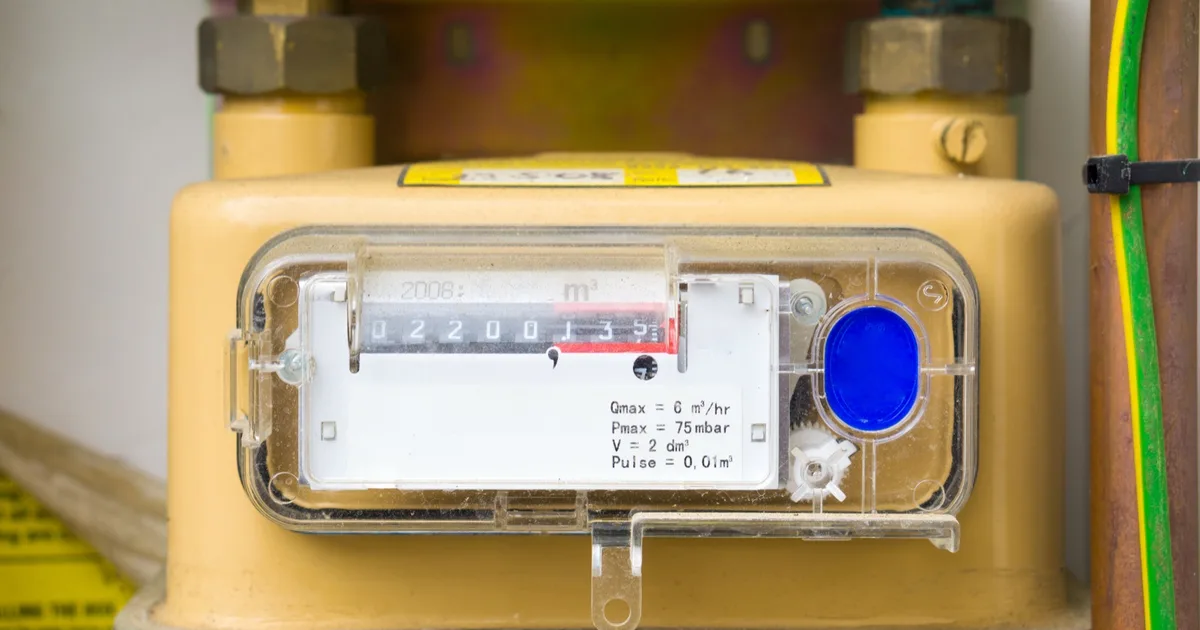
A New Gas Connection for Business Premises Can Take 3–9 Months and Cost Between £2,000 and £100,000. The Range Is That Wide for Specific Reasons.
A new gas connection is required when a business premises has no existing gas supply infrastructure and the business needs mains gas for heating, hot water, process heat, or commercial catering. Unlike electricity — which reaches virtually every commercial premises in the UK — mains gas is not universally available. Rural areas, newer commercial developments, and some urban locations may lack the local gas main infrastructure from which a new connection can be made.
Before pursuing a new gas connection, the first step is confirming that a gas main exists within a practical distance of your premises. If it doesn’t, the cost of a new connection may be prohibitive, and alternative fuel strategies — LPG, oil heating, or heat pumps — should be evaluated as primary solutions rather than temporary fallbacks.
Is Mains Gas Available at Your Location?
The gas distribution network in the UK is operated by four gas transporters (GTs), each responsible for a geographic region:
- Cadent Gas: North West, East of England, East Midlands, West Midlands, and North London
- Northern Gas Networks: North East England and Yorkshire
- SGN (Scotland Gas Networks): Scotland and South East England
- Wales & West Utilities: Wales and South West England
Each GT maintains a public-facing mapping tool showing the location of existing gas mains. You can check whether a gas main is present within a reasonable distance of your premises before committing to a connection enquiry. If the nearest gas main is within approximately 23 metres of your premises boundary, a new connection is typically feasible at reasonable cost. Beyond this distance, the cost of extending the main to reach your premises escalates significantly.
The New Gas Connection Process
Once you’ve confirmed that a gas main is available, the connection process involves the following stages:
Stage 1 — Connection enquiry: Contact the relevant gas transporter (GT) to submit a connection enquiry. Provide the site address, the type of connection required (domestic, small commercial, or larger industrial), the anticipated maximum daily quantity (MDQ) of gas in cubic metres per hour, and the intended purpose (heating, process, catering).
Stage 2 — Connection quotation: The GT will assess the enquiry and provide a formal connection quotation. This includes the cost of extending the gas main from its current termination point to your premises boundary, installing a gas meter, and commissioning the supply. The quotation process typically takes 4–8 weeks.
Stage 3 — Quotation acceptance and design: On accepting the quotation, the GT undertakes a detailed design of the connection — specifying the pipe diameter, route, pressure tier, and any pressure reduction equipment required.
Stage 4 — Civil works and installation: The GT or an approved contractor excavates and lays the gas main extension, installs the service pipe to the premises boundary, and connects the meter. This is the phase most susceptible to delays from third-party permissions, road closures, or conflicting buried services.
Stage 5 — Internal gas installation and commissioning: Once the GT’s work is complete, your Gas Safe registered contractor installs the internal gas pipework, appliances, and equipment. The GT then commissions the meter and activates the supply.
Stage 6 — Supply contract: With the MPRN registered, you can approach the market for a gas supply contract. As with electricity, approach this competitively from day one — don’t accept the default supply arrangement.
Realistic Timelines for a New Gas Connection
- Standard connection, gas main within 23 metres: 3–5 months from enquiry to commissioned supply
- Connection requiring gas main extension (23–200 metres): 5–9 months
- Connection requiring significant main reinforcement or extension: 9–18 months, cost-dependent
- Connection in a constrained urban area (traffic management, narrow streets, buried services): Add 2–4 months to any of the above
These timelines must be built into project programmes. A restaurant fit-out expecting to use commercial gas cooking equipment cannot proceed to opening without a commissioned gas supply — and the supply cannot be rushed through a 5-month process in 5 weeks.
What a New Gas Connection Costs
Connection costs depend primarily on the distance from the nearest gas main and whether network reinforcement is required:
- Connection within 23 metres of existing main (standard): £2,000–£5,000 (GT’s connection cost to boundary)
- Main extension, 23–50 metres: £5,000–£15,000
- Main extension, 50–200 metres: £15,000–£50,000
- Main extension, 200+ metres or requiring network reinforcement: £50,000–£100,000+
These are GT costs for the infrastructure to your premises boundary. Internal gas installation — pipework, appliances, meters within the building — is additional and arranged through your Gas Safe contractor.
For connections requiring significant main extension, the GT will undertake a cost-benefit assessment and may offer a “contribution model” where the first segment of mains (up to a threshold distance) is covered by the GT’s connection charges, with costs above the threshold falling to the applicant. The specifics vary by GT and by the potential for future connections to the same main extension (which reduces the per-connection cost).
When a New Gas Connection May Not Be the Right Answer
The economics of a new gas connection must be evaluated against the alternatives, particularly when connection costs are high:
LPG (Liquefied Petroleum Gas): For premises too distant from the mains network for a cost-effective connection, LPG delivered by tanker to an on-site storage tank provides a gas-compatible fuel for heating and cooking. LPG unit costs are higher than mains gas (typically 9–12p/kWh vs 6–8p/kWh for mains gas) but the connection cost is essentially zero — a tank installation and a Gas Safe installation. For businesses with moderate gas consumption and a high connection cost quote, LPG is frequently the more economic choice.
Heat pumps: For businesses whose primary gas requirement is space heating and hot water, an air source or ground source heat pump eliminates the gas dependency entirely. At current electricity-to-gas price ratios (and particularly where LPG is the alternative rather than mains gas), the heat pump running cost case is stronger than the standard mains gas comparison.
Accepting a higher connection cost: Where gas is operationally essential — commercial kitchens requiring gas cooking, manufacturing processes requiring gas-fired heat — there may be no practical alternative to accepting the connection cost. In these cases, the connection cost should be amortised over the expected useful life of the premises and assessed against the lifetime gas cost saving relative to alternative fuels.
Once Connected: Getting the Right Gas Supply Contract
A new gas connection gives you a fresh start with no incumbent supplier and no auto-renewal history. Use this opportunity to approach the market competitively from day one, understand the difference between pass-through and all-inclusive contract terms, and establish a renewal tracking process that prevents the connection you’ve invested in from subsequently being under-managed.
📱 WhatsApp Business: 07360 272168
📧 Email: hello@telnergy.com
📞 Direct line: 01202 028888
Telnergy Limited • Independent Energy Consultants since 2002 • Ofgem-Aligned Consultancy • Christchurch, Dorset
Telnergy Limited is an independent commercial energy consultancy established in 2002, based in Christchurch, Dorset. Ofgem-aligned consultancy · ADR Ref E3561 · CRN 04576876.