
Petrol Station Energy: Managing the Forecourt’s 24/7 Electricity Bill
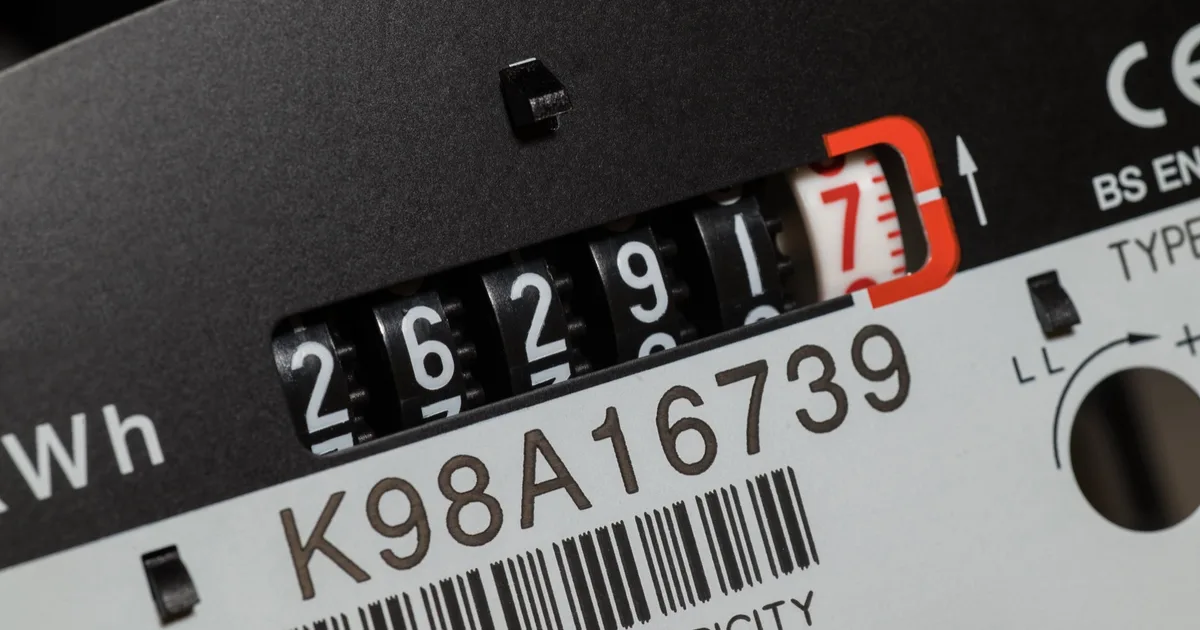
A forecourt operation running 24 hours a day, 365 days a year has no off switch. Unlike most commercial premises, a petrol station cannot reduce consumption overnight by switching off systems — fuel dispensers, payment terminals, canopy lighting, and safety systems all run continuously. That continuous load, combined with the increasingly significant electricity demand from car wash operations and EV charging, makes forecourt energy management a more complex problem than it appears from the outside.
Where forecourt electricity goes
Canopy lighting is the most visible load and, in many legacy sites, still running metal halide or sodium lamps that consume three to four times more electricity than their LED replacements. A typical forecourt canopy fitted with legacy lighting might use 15–25kW continuously. LED replacement brings this below 6kW, saving £16,000–£27,000 per year at current electricity prices on lighting alone. For sites that haven’t converted, this is the single highest-ROI investment available.
Fuel dispensers have a surprisingly low consumption — modern pumps use 0.2–0.5 kW each at idle. Eight dispensers represent 1.6–4 kW of continuous draw. Not the dominant cost, but worth knowing.
Car wash equipment is the highest single-event load on most forecourts. A rollover car wash uses 3–8 kWh per wash cycle, including heated water and blower drying. A site completing 150 washes per day is consuming 450–1,200 kWh daily on car wash alone — potentially the largest single consumption source on the site. Water heating for car wash is where the most savings are typically found: solar thermal or heat pump water heating to preheat wash water can reduce car wash energy by 30–40%.
The convenience store, where present, adds refrigeration (if food is sold), HVAC, and lighting. For a larger forecourt with a significant retail offer, the shop can rival the forecourt itself for energy consumption.
EV charging: the forecourt transformation
The forecourt industry is in the early stages of a fundamental change to its electricity consumption profile. A single 150kW DC rapid charger — the type increasingly standard on new EV installations — draws as much electricity as the rest of a small forecourt combined, when in use. A forecourt adding four rapid chargers is adding up to 600kW of potential simultaneous demand to a site previously drawing 40–80kW.
The implications for energy procurement are significant. A standard business electricity contract priced on a forecourt’s historical profile — 40kW maximum demand, perhaps 150,000 kWh per year — is not fit for purpose once rapid charging is live. Supply capacity upgrades (potentially requiring DNO connection works taking 6–18 months), maximum demand charge reassessment, and a fundamental review of contract structure are all necessary before EV charging goes live, not after the first month’s bill arrives.
The 24/7 procurement challenge
Forecourts have a flatter demand profile than most commercial premises — overnight consumption drops but doesn’t approach zero. For half-hourly customers, the implication is that DUoS red band charges (the peak network charge period, typically 4–7pm weekdays) represent a smaller proportion of total consumption than they would for a business that runs overnight baseload close to zero. All-inclusive contracts that average the network charge across all consumption can be better value for flat-profile sites than pass-through contracts where the DUoS differentiation doesn’t help you much.
Car wash scheduling is one area where timing does matter: if your wash operation can shift high-volume periods away from DUoS red band windows without affecting trade, the saving on a pass-through contract can be meaningful.
Telnergy works with both independent forecourt operators and multi-site fuel retailers. If your site is adding EV charging or hasn’t reviewed its energy contract in the last 24 months, talk to us before the next renewal.
📱 WhatsApp: 07360 272168 | 📧 hello@telnergy.com | 📞 01202 028888 Telnergy Limited · Independent commercial energy consultancy since 2002 · Ofgem-aligned consultancy · ADR Ref E3561 · CRN 04576876 · Christchurch, Dorset
FAQ
What’s a typical annual electricity spend for a petrol station?
A mid-sized forecourt without EV charging typically spends £25,000–60,000 per year on electricity, depending on operating hours, car wash volume, and whether a convenience store is attached. Sites with EV charging added will see this rise significantly — potentially doubling or trebling depending on charger utilisation.
Do petrol stations qualify for any VAT reduction on energy?
Commercial forecourt operations pay standard rate VAT (20%) on energy. There are no sector-specific reduced rates applicable to petrol station operations. If any part of the operation qualifies under a separate category — a car wash operating as a separate legal entity, for example, or if a charity operates any part of the premises — the VAT position for that specific activity should be reviewed, but the standard commercial rate applies to the core forecourt operation.
How far in advance should I review my contract before adding EV charging?
At least 12 months before EV charging goes live, ideally 18. The DNO connection upgrade process alone can take 6–12 months for significant capacity increases. Your energy contract needs to be structured for the new consumption profile from day one of EV operation — being on an old contract priced against your pre-EV profile when high-draw chargers go live can result in significant unexpected costs.
Telnergy Limited is an independent commercial energy consultancy established in 2002, based in Christchurch, Dorset. Ofgem-aligned consultancy · ADR Ref E3561 · CRN 04576876.