
Smart Grid Technology: What It Is and What It Means for UK Business Energy
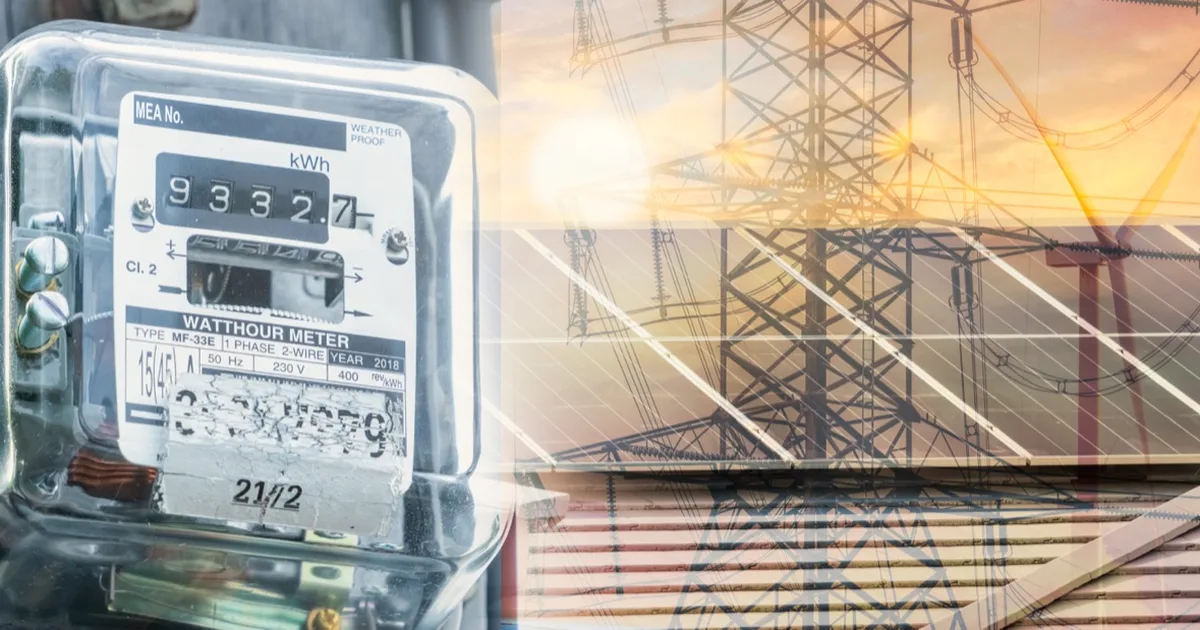
The smart grid is the electricity network’s transition from passive infrastructure — power flows one way, from generator to consumer, with limited visibility — to an active, two-way system where supply and demand are managed dynamically in response to real-time conditions. For UK businesses, the smart grid is not a future concept. It is the system they are already connected to — and understanding how it works is increasingly relevant to procurement decisions, flexibility opportunities, and energy cost management.
What makes a grid smart
The traditional electricity grid was designed around large, predictable generators (coal, gas, nuclear) meeting variable consumer demand. Variable renewable generation — wind and solar — disrupts this model. Output fluctuates with weather, not demand. This creates a need for greater flexibility across the entire system: storage to absorb excess generation, demand response to shift consumption away from scarcity periods, and sophisticated real-time balancing across a more distributed generation mix. Smart grid technology addresses these challenges through advanced metering, two-way communication between the network operator and connected assets, and automated control of generation, storage, and demand assets.
What this means at your meter
Smart meters and half-hourly data. The half-hourly smart meter is the business customer’s interface with the smart grid. Interval data enables time-of-use pricing, demand response participation, and accurate profiling for procurement purposes. Businesses without smart meters — or without access to their interval data — are not able to participate in any of the flexibility mechanisms the smart grid makes available.
Dynamic tariffs. Time-of-use electricity tariffs — where the unit rate varies by time of day reflecting actual grid conditions — are becoming more prevalent in business energy. For businesses with flexible loads (EV charging, refrigeration pre-cooling, process scheduling), dynamic tariffs can reduce electricity costs significantly against flat-rate equivalents.
Demand-side response. Businesses that can reduce or shift electricity demand on request — in response to grid stress events or price signals — can receive payment for that flexibility through DSR (Demand-Side Response) programmes. Industrial and commercial customers with interruptible loads, battery storage, or flexible thermal processes are the primary participants.
Distributed generation and storage. Solar PV, battery storage, and CHP connected to the grid behind the meter interact with the smart grid through the import/export metering arrangement and, for larger systems, through grid connection agreements with specific export limits and control requirements.
The business implication
The smart grid creates both costs and opportunities for business energy customers. The costs are embedded in non-commodity charges — the network infrastructure investment required to manage a more complex grid flows through TNUoS, DUoS, and BSUoS charges on your electricity bill. The opportunities — flexibility payments, dynamic tariff savings, demand response income — require active engagement to capture. Most SMEs are currently absorbing the costs without accessing the opportunities. The starting point for changing that is half-hourly data access and an understanding of your consumption flexibility.
Telnergy reviews consumption profiles and half-hourly data as standard before procurement. If your current contract structure doesn’t reflect your flexibility potential, talk to us at renewal.
📱 WhatsApp: 07360 272168 | 📧 hello@telnergy.com | 📞 01202 028888 Telnergy Limited · Independent commercial energy consultancy since 2002 · Ofgem-aligned consultancy · ADR Ref E3561 · CRN 04576876 · Christchurch, Dorset
Telnergy Limited is an independent commercial energy consultancy established in 2002, based in Christchurch, Dorset. Ofgem-aligned consultancy · ADR Ref E3561 · CRN 04576876.