
They Built It For a Crisis That Hadn’t Happened Yet. 45 Years Later, It Arrived.
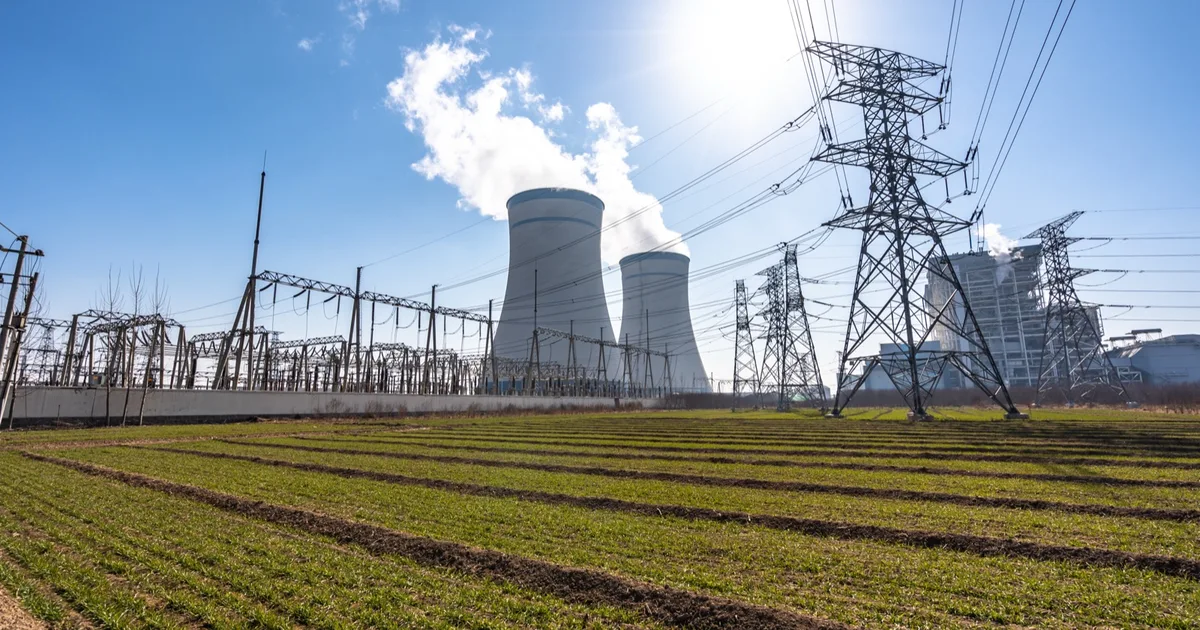
Petroline East-West Pipeline
UPDATE — 8 April 2026: As this piece was being finalised, news broke via the Financial Times that the East-West Pipeline had been struck by a drone attack on one of its pumping stations. If anything, it sharpens the argument rather than softens it. Infrastructure this strategically vital does not stay uncontested for long. The attack is the ultimate confirmation of the pipeline’s value — nobody drones something nobody cares about. The case for protecting, diversifying and expanding Saudi Arabia’s Red Sea export infrastructure has never been more urgent.
In 1979, Saudi Arabia made a decision that nobody would fully appreciate for nearly half a century.
The Iran-Iraq War was escalating. Tankers were being attacked in the Gulf. The Strait of Hormuz — the narrow channel through which the kingdom shipped the overwhelming majority of its oil — was looking increasingly fragile. The people running Saudi Arabia’s energy strategy looked at that vulnerability and asked a question that most governments never ask:
What if it gets worse? Not next year. In forty years.
The answer they built was the East-West Pipeline. 1,200 kilometres of steel across the width of the Arabian Peninsula, from the oil fields of Abqaiq on the Gulf coast to the Red Sea port of Yanbu. It cost approximately $2.5 billion — equivalent to around $8.5 billion today. It took two years to build. And for most of the next four and a half decades, it sat there. Maintained. Tested. Upgraded quietly. Never needed at full capacity.
The world largely forgot it existed.
The Investment That Waited 45 Years to Prove Its Worth
On 11 March 2026, the East-West Pipeline reached full capacity — 7 million barrels per day — for the first time in its history.
The Strait of Hormuz had been effectively closed following the outbreak of conflict involving Iran. Twenty million barrels per day that normally flowed through that narrow waterway were stranded. Oil spot prices surged to $141 per barrel. Global supply chains buckled.
Saudi Arabia activated its contingency plan within hours of the first strikes. Not days. Hours.
The pipeline — the one the world had forgotten — became the most strategically important piece of energy infrastructure on the planet overnight. Flotillas of tankers redirected to Yanbu. Crude exports from the Red Sea surged by over 300%. Saudi Arabia, almost uniquely among Gulf producers, kept its oil flowing.
Forty-five years of maintenance costs, upgrade programmes and contingency planning paid back in a matter of days.
This Is What Strategic Foresight Actually Looks Like
We live in a business culture obsessed with the quarterly cycle. Return on investment is measured in months. Infrastructure decisions are pressure-tested against three-year plans. The idea of building something expensive today for a crisis that may not arrive for half a century is almost professionally unthinkable.
Saudi Arabia thought it anyway.
The leaders who commissioned the Petroline in 1979 would not live to see it vindicated at full capacity. The engineers who built it retired long before it was truly needed. The budget committees that approved it could not have known whether the $2.5 billion would ever be justified — only that the risk of not building it was too large to accept.
That is not a financial model. It is a philosophy.
It is the understanding that the most important investments are not the ones that pay back on a spreadsheet within three years. They are the ones that define your position when the world changes in ways nobody predicted — and that somebody, somewhere, had the wisdom to prepare for anyway.
The Compounding Returns of Long-Term Thinking
At current oil prices, every day the Petroline operates at full export capacity generates approximately $550 million in gross export revenue for Saudi Arabia. Revenue that, without the pipeline, would not exist. Customers that, without the pipeline, would have been abandoned to a closed strait and a supply crisis Saudi Arabia had no answer for.
The original $2.5 billion investment has already returned its entire capital cost many times over — simply in the first weeks of the 2026 crisis.
But the financial return misses the deeper point. The real return on the Petroline is reliability. Saudi Arabia’s position as the world’s oil supplier of last resort — the nation that keeps flowing when others cannot — is not an accident of geology. It is the product of deliberate, generational strategic planning. The Petroline is the physical expression of that commitment.
Reputation, in energy markets, compounds across decades just as interest does. The decision made in 1979 is still paying dividends in 2026 — not just in barrels per day, but in the trust of customers, the confidence of markets, and the strategic leverage of a nation that prepared for the worst while hoping for the best.
What Future Generations Are Watching
The leaders making infrastructure decisions today — in energy, in technology, in national strategy — are building the world their grandchildren will inherit.
Most of those decisions will be made under pressure for immediate returns. Most will be optimised for the next election cycle, the next earnings call, the next budget review.
A very few will be made the way Saudi Arabia made its decision in 1979: with the long horizon in mind, the uncomfortable capital commitment accepted, and the quiet understanding that the return may not arrive for decades — but that when it does, it will matter more than anything built for short-term convenience.
The Petroline is not just an oil pipeline. It is a 1,200-kilometre argument for the value of thinking beyond your own tenure.
Forty-five years later, that argument is running at 7 million barrels per day.
And today, it is being attacked — because it matters that much.
The greatest infrastructure investments are rarely celebrated when they are built. They are celebrated when they are needed — and targeted when they become indispensable.
Telnergy Limited is an independent commercial energy consultancy established in 2002, based in Christchurch, Dorset. Ofgem-aligned consultancy · ADR Ref E3561 · CRN 04576876.