
UK Gas Infrastructure: How Gas Gets from the North Sea to Your Meter
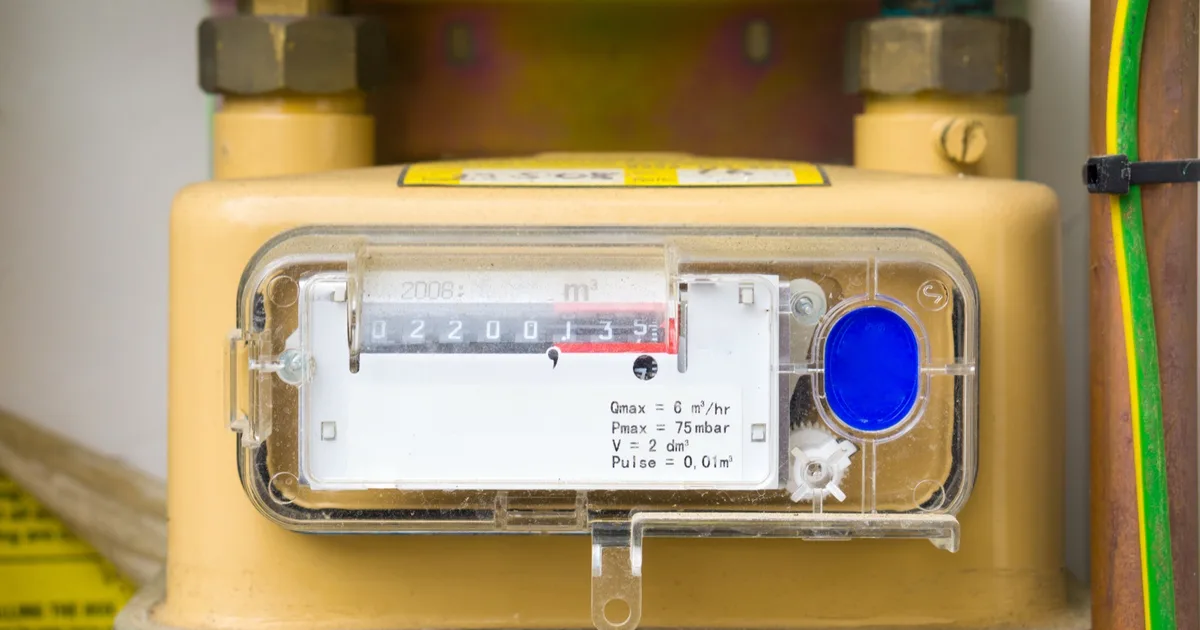
Every cubic metre of gas that enters a UK business premises has travelled through one of the most complex distribution systems in the world, from production fields or import terminals, through high-pressure transmission pipelines, into regional distribution networks, and finally through the local low-pressure pipes that connect to your meter. Understanding how that system works isn’t academic. It explains why gas prices move the way they do, why supply security matters differently in different parts of the country, and why certain metering and connection requirements exist.
The supply chain
Production and import. UK gas comes from three primary sources: UKCS (UK Continental Shelf) fields in the North Sea, Norway via subsea pipelines (primarily Langeled and Vesterled delivering into Easington and St Fergus), and LNG imports arriving at Grain LNG, Dragon LNG, and South Hook LNG terminals. The relative contribution of each source varies with seasonal demand, maintenance schedules, and global LNG market conditions.
National Transmission System (NTS). High-pressure pipelines operated by National Grid Gas Transmission carry gas from entry points across the UK at pressures up to 85 bar. Gas flows are managed to balance supply and demand nationally, using the National Balancing Point (NBP) as the notional trading hub.
Local Distribution Networks (LDNs). Six regional distribution network operators, Cadent Networks (four regions), Northern Gas Networks, and SGN, take gas from the NTS and distribute it through progressively lower-pressure pipework to end users. Pressure reduction stations step down from high-pressure transmission to the medium and low pressures used in distribution.
Your connection. Most business gas meters connect to the local distribution network at low or medium pressure. Larger business users, industrial sites with high consumption, may connect at higher pressure, with their own pressure reduction equipment on site.
Metering and profile classes
Gas meters for business customers are classified by annual consumption. Below 293,000 kWh (25,000 therms), meters are non-half-hourly, billed on estimated or actual reads, with consumption profiled using standard load profiles. Above 293,000 kWh, half-hourly automatic meter reading (AMR) is typically required, with data submitted daily to the shipper and used for settlement purposes. This threshold also marks the boundary for micro-business status under Ofgem’s definition, which affects your access to the Dispute Resolution Ombudsman in the event of a dispute.
Transportation charges
The cost of transporting gas from entry point to your meter, transmission and distribution charges, is included in your gas contract either as a fixed component (in all-inclusive contracts) or as a pass-through charge (in pass-through contracts). These charges vary by region and consumption band. For most SME customers, they represent 15–25% of the total gas bill. Understanding this helps when comparing contract structures, a pass-through contract that exposes transportation charges explicitly is not inherently worse than an all-inclusive one, but the comparison requires like-for-like modelling.
Telnergy handles gas procurement across all meter types and consumption bands. If your site has half-hourly AMR gas metering, talk to us about whether pass-through pricing would suit your consumption profile better than your current all-inclusive arrangement.
📱 WhatsApp: 07360 272168 | 📧 hello@telnergy.com | 📞 01202 028888 Telnergy Limited · Independent commercial energy consultancy since 2002 · Ofgem-aligned consultancy · ADR Ref E3561 · CRN 04576876 · Christchurch, Dorset
Telnergy Limited is an independent commercial energy consultancy established in 2002, based in Christchurch, Dorset. Ofgem-aligned consultancy · ADR Ref E3561 · CRN 04576876.