
Voltage Optimisation: Genuine Saving or Sales Pitch?
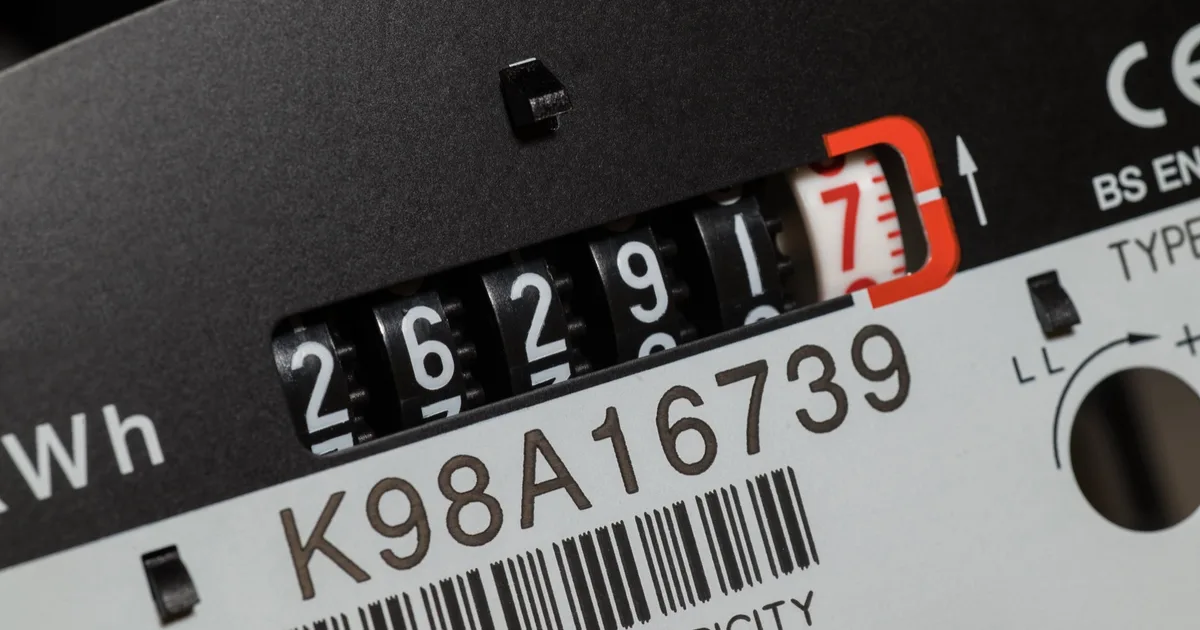
Voltage Optimisation Equipment Costs £5,000–£30,000. The Claimed Savings Are Rarely as High as the Sales Presentation Suggests.
Voltage optimisation (VO) is one of the most persistently oversold energy efficiency technologies in the UK SME market. The underlying principle is legitimate: UK mains voltage is nominally 230V but frequently delivered at 240–250V due to network characteristics, while most electrical equipment operates efficiently at 220–225V. Reducing the supply voltage to this optimal range reduces the energy consumed by voltage-sensitive equipment.
The problem is not the technology — it is the application. Voltage optimisation genuinely saves energy on certain types of equipment in certain premises. It saves very little or nothing on other types of equipment. And the savings projections presented to SME owners frequently assume the optimistic end of a wide range rather than the realistic outcome for the specific site being assessed.
Before committing £10,000–£25,000 to voltage optimisation equipment, this is what you need to understand.
How Voltage Optimisation Works
A voltage optimisation unit is installed between the incoming electricity supply and the building’s distribution board. It steps down the incoming voltage — typically from the 240–250V that many UK premises receive — to a set output voltage of 220–225V.
For equipment whose power consumption varies with supply voltage (voltage-sensitive loads), this reduction produces a proportional reduction in energy consumption. The physics is straightforward: power consumed by a resistive load is proportional to voltage squared. A 10% voltage reduction produces approximately a 19% reduction in power consumption for purely resistive loads.
The commercial claim — that a typical commercial premises can save 8–15% on electricity — assumes that a significant proportion of the site’s load is voltage-sensitive and that the incoming voltage is consistently above optimal.
The Equipment That Benefits — and the Equipment That Doesn’t
The critical distinction that voltage optimisation sales presentations tend to underemphasise is that not all electrical equipment responds equally to voltage reduction.
Equipment that benefits (voltage-sensitive loads):
- Resistive heating elements (electric water heaters, storage heaters, electric ovens)
- Incandescent and halogen lighting (though these are now largely replaced by LED)
- Older induction motors without variable speed drives (some HVAC fans, pumps, compressors)
- Some older transformers and ballasts
Equipment that does NOT benefit significantly:
- LED lighting: LED drivers regulate current independently of supply voltage within a wide input range. Voltage reduction produces no meaningful saving on LED-lit premises.
- Variable speed drives (VSDs) and inverter-driven equipment: VSDs regulate motor speed independently of supply voltage. No saving.
- Switch-mode power supplies (computers, screens, most modern electronics): These regulate output regardless of supply voltage within the specified input range. No saving.
- Modern HVAC equipment with inverter compressors: Inverter-driven compressors regulate power consumption based on demand, not supply voltage. No saving.
- Electric vehicle chargers: Modern EV chargers regulate charge rate independently. No meaningful saving.
The practical implication: a business that has already completed an LED retrofit, uses modern computing equipment, and has inverter-driven HVAC has very little voltage-sensitive load remaining. The voltage optimisation saving in that premises could be 1–3% rather than the 8–12% claimed in the sales presentation — because 90%+ of the load is not voltage-sensitive.
When Voltage Optimisation Makes Sense
There is a category of premises where voltage optimisation delivers genuine and material savings: older industrial or commercial buildings with significant resistive load, legacy induction motor equipment without VSDs, and limited LED penetration. Specifically:
- Older manufacturing sites with legacy motor-driven equipment (pre-inverter-drive era, typically pre-2000 installations)
- Hotels and care homes with significant electric water heating and older HVAC equipment
- Food retail premises with older refrigeration compressors that are not inverter-driven
- Sites with consistently high incoming voltage — if your supply is regularly delivering 250V+, the optimisation headroom is real
The prerequisite for a credible VO assessment is a site survey that measures the actual incoming voltage profile and analyses the load composition — what percentage of the site’s consumption is genuinely voltage-sensitive. Without this analysis, any saving projection is a guess dressed as a forecast.
The Site Survey: What to Demand Before Committing
A credible voltage optimisation assessment must include:
- Measured incoming voltage profile: A data logger on your incoming supply, recording voltage over a minimum of 7 days across a typical operating period. This establishes whether the optimisation headroom (the gap between delivered voltage and optimal) is real and consistent.
- Load composition analysis: An assessment of what percentage of your electrical load is voltage-sensitive versus regulated. This is the number that determines the saving — not the incoming voltage alone.
- Savings projection methodology: Ask how the projected saving was calculated. If it’s “industry average 9% saving on electricity” without reference to your specific load profile, it’s not a site-specific projection — it’s a marketing claim.
- References from comparable sites: Not the manufacturer’s case study library. Actual references from SMEs of similar type and vintage that you can contact directly.
The Honest Assessment
Voltage optimisation is not a scam. In the right premises — older building stock, significant resistive or legacy motor load, consistently high incoming voltage — the technology delivers real savings. The problem is that it is sold as a universal solution when it is actually a site-specific one.
The business test is simple: if your premises has already had an LED retrofit and uses predominantly modern electronic equipment, the residual voltage-sensitive load is probably low enough that VO payback exceeds 10 years. At that point, the investment is hard to justify versus alternative uses of the same capital.
If your premises has significant legacy equipment, older HVAC, electric water heating, and has not completed an LED retrofit, VO may be worth a serious and properly conducted site assessment. Just insist on the measured data — not the marketing brochure.
Telnergy’s Position on Voltage Optimisation
We don’t install voltage optimisation and we don’t earn commission from VO manufacturers. When clients ask us about it, we give them the same assessment above and help them evaluate whether a specific proposal for their site is credible. If the site survey methodology is robust and the load composition analysis supports the claimed saving, VO can be a legitimate investment. If the proposal is based on industry averages without site-specific data, we recommend not proceeding until it is.
📱 WhatsApp Business: 07360 272168
📧 Email: hello@telnergy.com
📞 Direct line: 01202 028888
Telnergy Limited • Independent Energy Consultants since 2002 • Ofgem-Aligned Consultancy • Christchurch, Dorset
Telnergy Limited is an independent commercial energy consultancy established in 2002, based in Christchurch, Dorset. Ofgem-aligned consultancy · ADR Ref E3561 · CRN 04576876.