
What Is a Climate Change Agreement (CCA) and Who Qualifies?
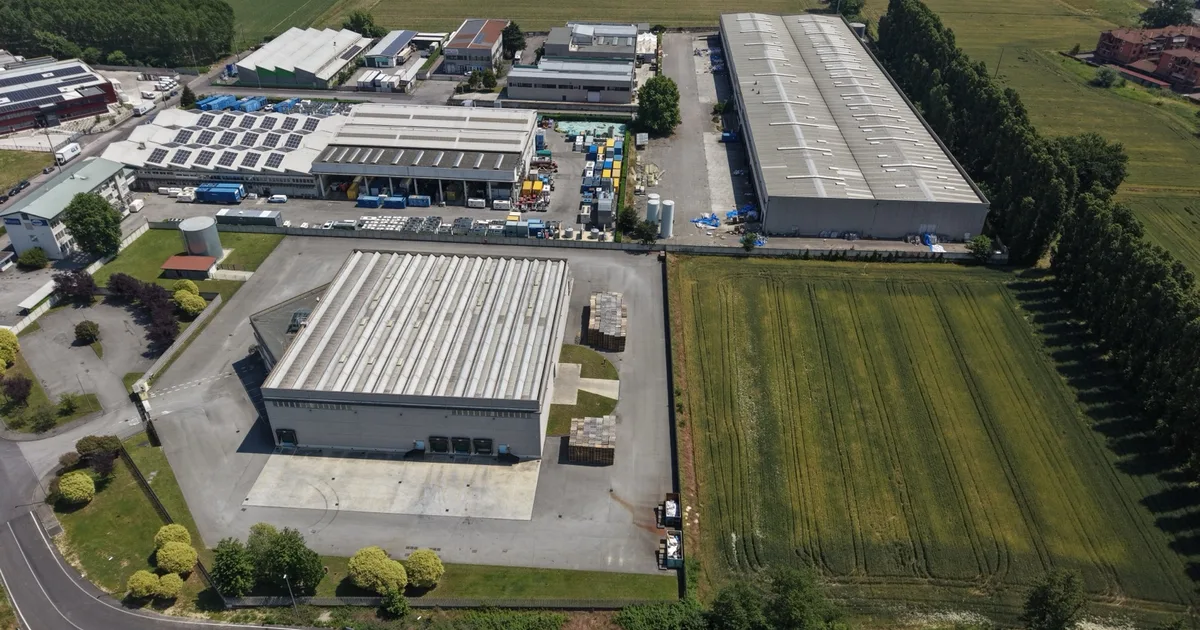
A Climate Change Agreement Gives Your Business an 80% Reduction in Climate Change Levy. If Your Sector Has One and You’re Not Using It, You’re Paying a Tax You Don’t Need To.
Climate Change Agreements (CCAs) are voluntary agreements between energy-intensive business sectors and the Environment Agency under which participating businesses commit to meeting energy efficiency or carbon reduction targets in exchange for a significant reduction in Climate Change Levy (CCL).
The incentive is substantial. Businesses covered by a CCA receive a discount of 92% on the CCL rate for electricity and 81% for gas, compared to the standard rate paid by non-qualifying businesses. At current CCL rates (0.775p/kWh for electricity, 0.672p/kWh for gas), this discount means qualifying businesses pay approximately 0.062p/kWh for electricity and 0.128p/kWh for gas in CCL rather than the full standard rate.
For a business consuming 500,000 kWh of electricity per year, the difference between paying full CCL and the CCA-discounted rate is approximately £3,565 per year — for what is fundamentally an administrative exercise of joining a sector agreement and meeting agreed targets.
Which Sectors Have Climate Change Agreements
CCAs are negotiated between the Environment Agency and umbrella bodies representing specific energy-intensive sectors. They are not available to all businesses — participation is limited to sectors that have reached a CCA with the Environment Agency. Currently, over 50 sector agreements cover a wide range of industrial and commercial activities including:
- Food and drink manufacturing (including dairy, bakery, brewing, soft drinks)
- Paper and board manufacturing
- Ceramics and glass
- Chemical manufacturing
- Foundries and metals processing
- Textiles
- Printing and packaging
- Cold storage and distribution
- Hospitality (hotels and restaurants — through the British Hospitality Association CCA)
- Laundries
- Data centres
This list is not exhaustive. If your business operates in a manufacturing, processing, or energy-intensive commercial sector, there may be a CCA covering your activities. The Environment Agency maintains a register of current umbrella agreements on its website.
How to Qualify and Participate
CCA participation operates through two tiers:
Umbrella agreements: The sector body (a trade association, sector body, or industry group) negotiates the overarching agreement with the Environment Agency. This sets the sector-wide targets for energy efficiency improvement or carbon reduction over the agreement period.
Underlying agreements: Individual businesses within the sector sign an underlying agreement committing them to site-specific targets aligned with the sector umbrella. The business monitors and reports its performance against these targets at regular intervals (typically every two years).
To participate, a business must:
- Confirm their sector has an active CCA umbrella agreement
- Contact the relevant sector body to register their site(s) under the umbrella agreement
- Sign an underlying agreement with the Environment Agency committing to their site-specific targets
- Provide their CCA certification reference to their energy supplier, who then applies the discounted CCL rate to their bills
The registration process varies slightly by sector and is typically managed by the sector body’s CCA administrator. For most businesses, the administrative burden is modest — completing a site registration form, agreeing initial baseline energy intensity figures, and committing to report performance at the next assessment period.
CCA Certification and Energy Billing
Once registered under a CCA, a business receives a certificate from the Environment Agency confirming their qualifying status. This certificate — specifying the facility reference number and the validity period — must be provided to the energy supplier to trigger the discounted CCL rate.
The supplier will apply the discounted CCL from the date the certificate is received. Backdated CCL correction is not automatically provided — if you have been in a qualifying CCA sector but your supplier has been charging full CCL because they were not aware of your CCA status, you should submit the certificate and request backdated correction. Suppliers should apply the correction retrospectively to the date of CCA eligibility, though this may require some negotiation.
What Happens If Targets Are Not Met
At each assessment point (typically every two years), businesses must demonstrate they have met their energy intensity or carbon reduction targets. Businesses that fail to meet their targets lose their CCA discount for the following period — they are required to pay the full CCL rate until the next assessment, at which point they can re-qualify if they have returned to target.
Target-setting is done at the site level and is designed to be achievable through reasonable energy management efforts — the system is designed to incentivise genuine improvement rather than to catch businesses out. Many businesses find that the combination of energy cost reduction from the CCA discount and the management focus that target reporting requires produces energy savings that more than offset the compliance costs.
CCA and VAT: Related but Different
CCA eligibility and VAT reduction eligibility are related but distinct mechanisms. A business with a CCA gets discounted CCL. A business in a qualifying residential use (care homes, etc.) gets 5% VAT. These can apply simultaneously or separately depending on the business type. Confirming both your CCL position (CCA) and your VAT rate independently is the complete energy tax optimisation exercise.
📱 WhatsApp Business: 07360 272168
📧 Email: hello@telnergy.com
📞 Direct line: 01202 028888
Telnergy Limited • Independent Energy Consultants since 2002 • Ofgem-Aligned Consultancy • Christchurch, Dorset
Telnergy Limited is an independent commercial energy consultancy established in 2002, based in Christchurch, Dorset. Ofgem-aligned consultancy · ADR Ref E3561 · CRN 04576876.