
What Is Ofgem and What Does It Do for Business Energy Customers?
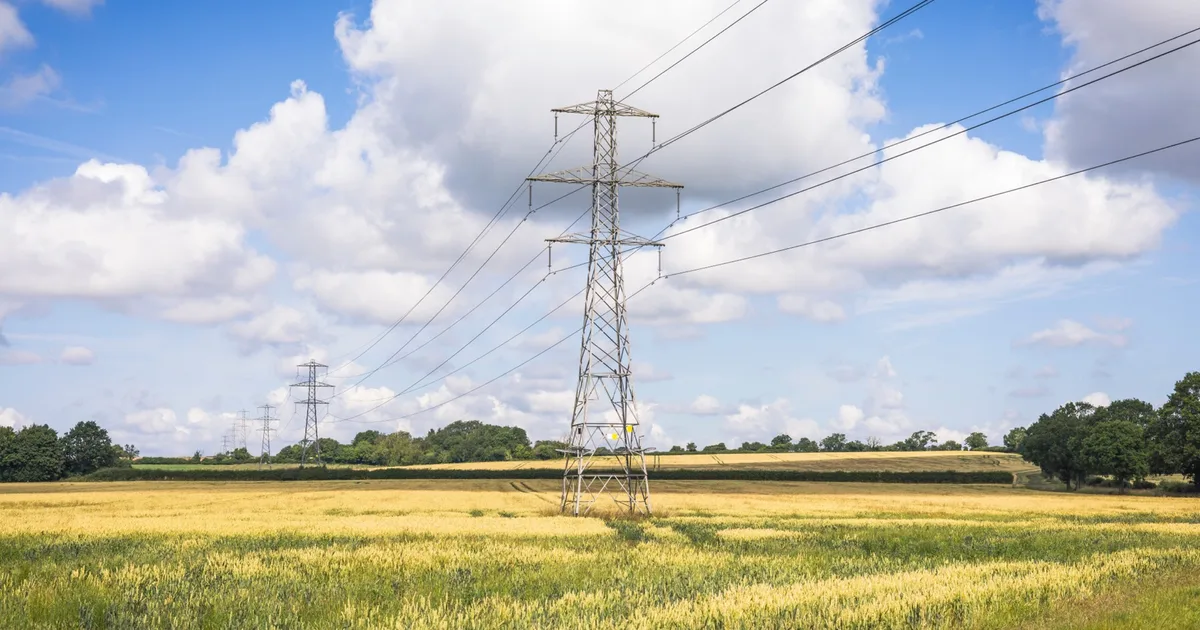
Ofgem Is the Energy Regulator for Great Britain. Its Rules Govern Every Supplier You’ll Ever Deal With, But Its Protection of Business Customers Is More Limited Than Most People Assume.
The Office of Gas and Electricity Markets, Ofgem, is the independent regulator for the gas and electricity markets in Great Britain. It is a non-ministerial government department, accountable to Parliament, with statutory duties to protect the interests of existing and future consumers and to promote competition in energy markets.
Every energy supplier that operates in Great Britain, whether supplying domestic customers, business customers, or both, does so under a licence granted and regulated by Ofgem. The conditions of those licences set the minimum standards suppliers must meet, the information they must provide to customers, and the conduct rules they must follow. No supplier can operate in the GB energy market without an Ofgem licence.
Understanding what Ofgem does and doesn’t do for business energy customers is practically important, particularly because the level of regulatory protection available to commercial customers is significantly lower than many business owners realise.
Ofgem’s Core Functions
Licensing energy suppliers: Ofgem grants supply licences to companies wishing to supply gas or electricity to customers in Great Britain. Licence conditions specify requirements around financial resilience, customer protection standards, metering obligations, complaint handling, and conduct standards. The 2021 supplier collapse, which resulted in 29 supplier failures, led Ofgem to significantly strengthen the financial resilience requirements in supply licences, including mandatory hedging evidence and minimum capital requirements for new and existing licensees.
Setting price controls for network companies: Ofgem regulates the monopoly network businesses, Distribution Network Operators (DNOs), gas transporters, and National Grid, that own the physical infrastructure through which energy is delivered. Through the RIIO (Revenue = Incentives + Innovation + Outputs) price control framework, Ofgem sets the revenues these companies can earn and therefore the network charges that flow through to consumer bills.
Overseeing market rules: Ofgem oversees the industry codes and market rules that govern how the wholesale market, metering, settlement, and switching processes operate. When market rules need updating, such as the changes to half-hourly settlement methodology, Ofgem approves or directs the changes.
Consumer protection enforcement: Ofgem can investigate and take enforcement action against suppliers who breach their licence conditions. Fines, licence modifications, and in extreme cases licence revocation are available remedies.
Regulation of Third Party Intermediaries (TPIs): Ofgem has developed the TPI Code of Practice for energy brokers and consultants operating in the non-domestic market, and maintains a register of TPI-committed brokers. This is the regulatory framework that requires brokers to disclose commission, act in customers’ best interests, and maintain adequate supplier panels.
What Ofgem Does Not Do for Business Customers
This is where most business owners have an inaccurate expectation of Ofgem’s role.
Ofgem does not cap business energy prices. The price cap that protects domestic consumers, the maximum unit rate and standing charge that can be charged on domestic default tariffs, does not apply to business customers. Business energy prices are set through commercial negotiation between suppliers and customers. There is no regulatory ceiling on what a supplier can charge a business on out-of-contract or deemed rates.
Ofgem does not have a direct consumer complaint function for most business customers. Domestic consumers who cannot resolve complaints with their supplier can refer them to the Dispute Resolution Ombudsman, whose remit Ofgem has a role in shaping. For business customers, the DRO handles complaints from micro-businesses (fewer than 10 employees and below defined consumption thresholds). Larger business customers must resolve complaints through suppliers’ own procedures and, ultimately, through the civil courts, the DRO is not available to them.
Ofgem does not set or approve energy contract terms for business customers. The commercial terms of a business energy contract, unit rates, standing charges, contract length, auto-renewal provisions, early termination charges, are entirely commercial matters. Ofgem’s supply licence conditions set minimum standards around information provision and conduct, but they do not prescribe contract terms.
Ofgem does not directly regulate energy brokers in the way it regulates suppliers. The TPI Code of Practice is a voluntary commitment scheme, brokers who join it commit to its standards, but Ofgem does not have direct enforcement powers over brokers equivalent to those it has over licensed suppliers. This is a gap in the regulatory framework that the industry is aware of.
Micro-Business Protections: Where Ofgem’s Business Customer Remit Is Strongest
Ofgem has defined a category of “micro-business” customer with enhanced protections under supply licence conditions. A micro-business is one that meets at least one of: fewer than 10 employees (or full-time equivalent), annual electricity consumption of 100,000 kWh or less, or annual gas consumption of 293,000 kWh or less.
Micro-businesses benefit from several specific licence condition protections that larger business customers do not have:
- Suppliers must provide clear and prominent notification of contract renewal dates and terms
- Automatic rollover terms are restricted, suppliers cannot roll micro-business customers onto excessively long fixed terms without adequate notice
- Access to the DRO for unresolved complaints
- Enhanced information requirements around tariff changes and contract variations
If your business meets the micro-business definition, you have more regulatory protection than larger businesses, and you should be aware of it when managing supplier relationships and contract renewals.
How to Find Ofgem Resources
Ofgem publishes guidance on business energy rights, the TPI Code of Practice, the supplier register, and enforcement actions on its website at ofgem.gov.uk. Ofgem does not yet keep a register of energy brokers. Registration with Ofgem is planned from 2027. Until then, the large suppliers each keep a register of the TPIs they work with, and you can ask a supplier to confirm a broker is on it or to share the broker’s registered contact details. Checking this is a basic due diligence step before engaging a broker.
📱 WhatsApp Business: 07360 272168
📧 Email: hello@telnergy.com
📞 Direct line: 01202 028888
Telnergy Limited · Independent commercial energy consultancy since 2002 · Ofgem-aligned consultancy · ADR Ref E3561 · CRN 04576876 · Christchurch, Dorset
Telnergy Limited is an independent commercial energy consultancy established in 2002, based in Christchurch, Dorset. Ofgem-aligned consultancy · ADR Ref E3561 · CRN 04576876.