
How UK Energy Prices Are Set: A Plain English Guide for SME Owners
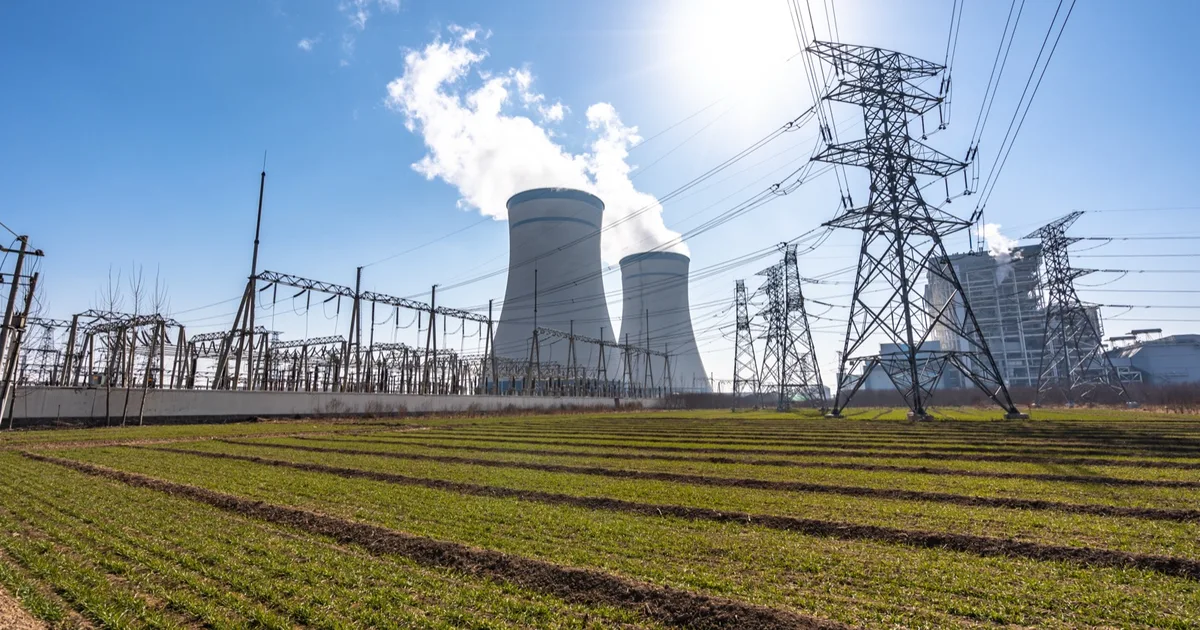
Your Gas Bill Is Set in Amsterdam. Your Electricity Price Is Set by a Gas Power Station in Yorkshire. Here’s How It Actually Works.
The UK business energy market processes billions of pounds of transactions every day, but the mechanism that sets the price you pay is understood by fewer than one in ten business owners who pay it. That’s not a criticism — the pricing system is genuinely complex, and energy suppliers and brokers rarely explain it. But a basic understanding of how UK energy prices are set changes the quality of every procurement conversation you’ll ever have.
This is that explanation, without the jargon.
Gas Prices: The European Benchmark
UK wholesale gas prices are primarily set at the National Balancing Point (NBP) — a virtual trading location where gas buyers and sellers transact contracts for delivery into the UK gas network. The NBP is the UK’s equivalent of the more widely quoted Title Transfer Facility (TTF) in the Netherlands, which is the dominant European gas pricing benchmark.
NBP and TTF prices move in close correlation. When TTF rises, NBP follows — because the UK gas market is physically connected to the European gas market via the Interconnector pipeline between Bacton in Norfolk and Zeebrugge in Belgium. Arbitrage opportunities (buying cheap in one market and selling into the higher-priced market) keep the two prices closely aligned.
What moves the NBP/TTF price? The main drivers are:
- European storage levels: Low storage heading into winter raises prices. High storage suppresses them. (Covered in detail in our separate article on European storage.)
- LNG supply and demand: Global competition for LNG cargoes between European and Asian buyers. When Asian demand is strong, cargoes divert east and European supply tightens.
- Norwegian pipeline supply: Norway is the UK’s largest pipeline gas source. Any Norwegian production outages or maintenance periods tighten the market immediately.
- Weather and seasonality: Colder temperatures increase demand. Warm winters leave storage fuller for longer, suppressing prices.
- Geopolitical events: Russian supply disruptions, Middle Eastern tensions, shipping route closures — all of these affect the supply side of the equation.
When you are quoted a gas unit rate by a supplier or through a broker, that rate is built primarily from the forward gas price — what the market expects gas to cost over the duration of your contract — plus the supplier’s non-commodity costs (network charges, transportation, supplier margin).
Electricity Prices: The Marginal Generator Sets the Price
UK electricity pricing is more complex than gas pricing because electricity is generated from multiple sources simultaneously — offshore wind, solar, nuclear, gas, hydro, interconnectors from France and Norway — each with different cost structures.
The UK electricity wholesale market uses a system of half-hourly settlements. For each 30-minute period, the market clears at the price set by the most expensive generator required to meet demand in that period. This is called the “marginal price” or “system marginal price.”
The critical feature of this system is that all generators operating in that half-hour period receive the marginal price — not just the marginal generator. So if a gas power station is the most expensive unit needed to meet demand, and it clears at £120/MWh, then the offshore wind farm also operating in that period receives £120/MWh — even though its fuel cost is zero.
This is why electricity prices track gas prices so closely in the UK. Gas-fired generation is frequently the marginal generator — the last, most expensive source of power needed to balance supply and demand. When gas is expensive, the marginal price of electricity rises accordingly, even if a significant proportion of the electricity being generated at that moment is coming from wind or solar at zero fuel cost.
Why This Matters for Your Business
Understanding marginal pricing explains several things that otherwise seem paradoxical:
Why electricity prices didn’t fall as much as expected when renewable capacity expanded: More renewables change the average generation mix but don’t eliminate gas from the system. Gas remains the marginal generator on many settlement periods, particularly during low-wind periods. Until the grid has sufficient battery storage and interconnection to shift gas out of the marginal position, electricity prices will continue to track gas prices closely.
Why spot electricity prices are so volatile: Small changes in demand or supply at the margin — a few hundred MW — can move the system marginal price significantly if they shift which generator type is at the margin. This volatility is why fixed-price contracts, where the supplier has already priced the average expected cost across all settlement periods in your contract term, provide business cost certainty.
Why your electricity unit rate reflects global gas market conditions: A spike in LNG prices in Asia, a Norwegian pipeline outage, or an escalation of Middle Eastern tensions can raise UK electricity prices within days — through exactly the mechanism described above. The gas price moves; the marginal generator price moves; your next electricity contract quote moves.
Forward Markets: Where Your Contract Price Comes From
The price quoted in your business energy contract is not today’s spot price. It’s a forward price — what the market expects energy to cost over the period of your contract. Suppliers purchase forward contracts to hedge the price exposure they’re committing to when they offer you a fixed rate.
Forward energy markets operate through brokers, exchanges (principally ICE — the Intercontinental Exchange), and bilateral over-the-counter transactions. Contracts are traded for delivery months, quarters, seasons, and years ahead. The price for “Winter 2026 gas” or “Q1 2027 electricity baseload” is visible in the market right now.
When a supplier quotes you a 12-month fixed contract starting in October 2026, they are — if they’re managing their risk properly — purchasing forward energy to match that commitment. The price they quote you reflects the forward market price plus their cost stack plus their margin. The forward market price at the time of quoting is the most significant variable.
This is why the timing of your renewal matters. Contracting in a high-price forward market environment locks in those prices for the duration. Contracting when forward markets are lower — because storage is full, LNG supply is abundant, or demand forecasts have reduced — gets you a lower base rate. Understanding forward market dynamics is what differentiates procurement advice from procurement execution.
The Gas–Electricity Link and What It Means for 2026
In 2026, the UK electricity market remains heavily gas-linked. Battery storage is growing but not yet at a scale that consistently displaces gas from the marginal position. Nuclear generation is operating, but Hinkley Point C remains under construction. Interconnector capacity with Europe has expanded, providing some additional price linkage and supply buffer.
For the foreseeable future, the simplest model for understanding your electricity costs remains: watch the gas market, because gas sets the electricity price more often than not. The same geopolitical and supply factors that drive gas prices drive electricity prices.
For UK SMEs, the practical implication is consistent: energy costs are set by global market dynamics, not by your supplier’s pricing decisions. The supplier is pricing against markets, not setting markets. The adviser’s job is to help you engage with those markets — through contract timing, structure, and length — in a way that reflects your business’s risk tolerance and cash flow requirements.
Talk to Telnergy About Your Current Rate vs the Forward Market
We can tell you exactly where your current contracted rate sits relative to current forward market pricing — and whether your upcoming renewal is landing in a favourable or unfavourable market window.
📱 WhatsApp Business: 07360 272168
📧 Email: hello@telnergy.com
📞 Direct line: 01202 028888
Telnergy Limited • Independent Energy Consultants since 2002 • Ofgem-Aligned Consultancy • Christchurch, Dorset
Telnergy Limited is an independent commercial energy consultancy established in 2002, based in Christchurch, Dorset. Ofgem-aligned consultancy · ADR Ref E3561 · CRN 04576876.