
Red Sea Disruption and LNG: The Supply Chain Few Business Owners Are Watching
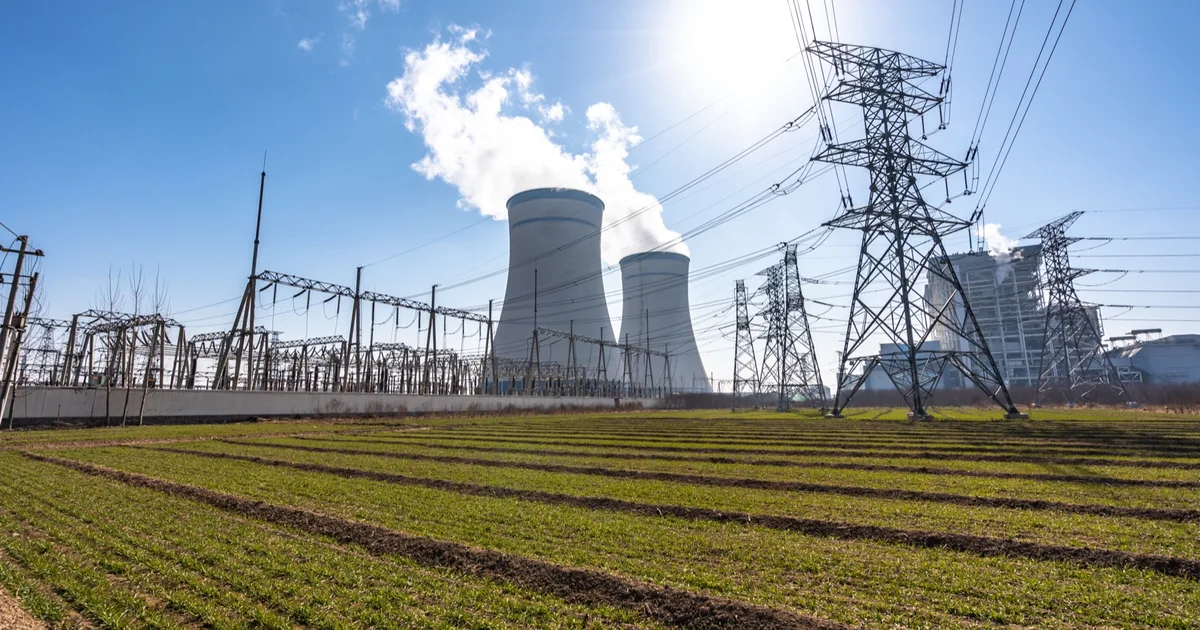
Houthi attacks on Red Sea shipping have added 15–25 days to LNG cargo journeys into Europe. That’s not an abstract statistic — it’s a supply reduction.
In December 2023, Houthi forces began attacking commercial shipping in the Red Sea and Gulf of Aden. By early 2024, the majority of LNG tankers routing from Qatar, the United States Gulf Coast, and other Atlantic Basin suppliers to European terminals had rerouted via the Cape of Good Hope — adding 15–25 days and significantly higher voyage costs to each cargo delivery.
Most UK business owners weren’t watching this story. It was covered as a geopolitical and shipping logistics issue. The energy price implication — tighter effective LNG supply into Europe, higher delivered costs, and upward pressure on UK wholesale gas prices — received considerably less coverage in mainstream business media. That’s the supply chain few people are watching. And it matters directly to your next gas and electricity contract.
Why LNG is now central to UK energy security
The UK’s relationship with LNG changed fundamentally after 2022. Before the Russian gas supply crisis, LNG imports were a supplementary supply source. Post-2022, LNG is structural. The UK imported approximately 18–21 billion cubic metres of LNG in 2023, representing roughly 25–30% of total gas supply. The UK’s three import terminals — South Hook in Milford Haven, Dragon LNG, and Isle of Grain in Kent — are now core infrastructure rather than surge capacity. When LNG supply is disrupted, delayed, or diverted, the UK gas market tightens. When it tightens, wholesale prices rise. When wholesale prices rise, they are reflected in the forward curves against which your next energy contract is priced.
The Red Sea route in context
The Red Sea disruption affects LNG flows from the US Gulf Coast (voyage times from Sabine Pass to South Hook have increased from approximately 14 days via Suez to 25–30 days via the Cape), East African and Middle Eastern producers, and the global tanker fleet generally — longer voyages mean each vessel completes fewer deliveries per year. A global tanker fleet completing fewer round trips is functionally equivalent to a supply reduction. The practical consequence has been a tightening of effective LNG supply availability into Europe, even where production volumes themselves have not declined.
How this translates to UK gas prices
LNG is a globally traded commodity. The price at which it clears is determined by competition between European buyers, Asian buyers (principally Japanese, South Korean, Chinese, and Indian utilities), and other demand centres. When supply effectively tightens due to logistics constraints, the marginal cargo goes to the highest bidder. Asian demand for LNG is structurally growing — Japanese nuclear restarts have been slower than planned, South Korean industrial demand has held. This means European buyers — including UK importers — compete for LNG cargoes in a market where demand is growing globally and supply delivery is periodically constrained.
What the shipping route risk means for your contracts in 2026
As of early 2026, commercial shipping volumes through the Red Sea remain significantly below 2023 levels. The effective rerouting of a significant proportion of Atlantic Basin LNG around the Cape of Good Hope remains the operational norm. The LNG supply cost floor has risen. With LNG playing a larger structural role in UK supply and cargo journey times extended, the system has less buffer — a weather event, terminal maintenance, or further shipping disruption produces a faster price response than previously. The case for hedging forward has strengthened: businesses that fix energy costs for 12–24 months are insulated from the short-term price volatility that logistics disruptions cause.
The broader pattern
The common thread connecting the Strait of Hormuz, European gas storage, Red Sea shipping, and UK energy prices is this: the UK’s gas supply is now genuinely global. We compete for LNG cargoes with buyers in Asia, South America, and South-East Asia. We are exposed to shipping routes, chokepoints, and logistics costs that would have been irrelevant to UK energy pricing a decade ago. Understanding that network — or working with an energy adviser who does — is the baseline for competent procurement.
Telnergy incorporates current LNG supply dynamics, shipping route conditions, and global demand factors into the market intelligence we use when advising on contract timing and structure.
📱 WhatsApp: 07360 272168 | 📧 hello@telnergy.com | 📞 01202 028888 Telnergy Limited · Independent commercial energy consultancy since 2002 · Ofgem-aligned consultancy · ADR Ref E3561 · CRN 04576876 · Christchurch, Dorset
Telnergy Limited is an independent commercial energy consultancy established in 2002, based in Christchurch, Dorset. Ofgem-aligned consultancy · ADR Ref E3561 · CRN 04576876.