
The Telnergy Review: UK Energy Markets Q1 2026
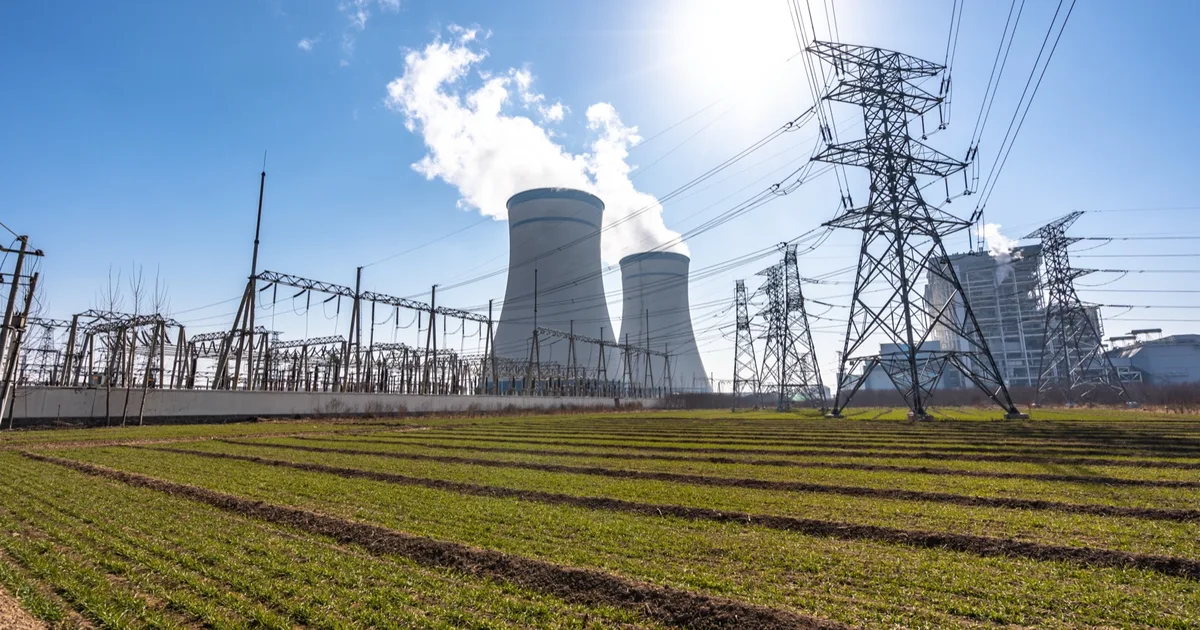
UK wholesale gas opened 2026 in the 75–85p/therm range. By mid-March, it is trading in a similar corridor, having briefly touched 95p/therm in late January following the cold snap that drove above-average storage draw-down across Northern Europe, before easing as temperatures normalised and LNG cargo deliveries into South Hook ran above seasonal average in February. The Q1 2026 market has been characterised by exactly the pattern that the structural supply analysis predicts: adequate supply interrupted by periodic weather-driven spikes, with the geopolitical risk premium providing a floor that prevents a return to pre-crisis price levels regardless of short-term easing.
Wholesale gas: Q1 2026 movement
Day-ahead gas at the NBP opened January at approximately 78p/therm and reached a Q1 high of 97p/therm on 22 January during the cold weather period. The February easing brought it back to 72–80p/therm, where it has broadly remained through early March. The front-month contract — April 2026 delivery — is currently pricing at 76–82p/therm, suggesting the market expects continued price stability through the start of the injection season. Summer 2026 forward contracts (Q2–Q3 2026) are pricing at a modest discount to front-month, reflecting anticipated seasonal easing as space heating demand falls and LNG cargoes can be directed to storage injection rather than immediate consumption.
The winter 2026–27 forward contracts — for Q4 2026 and Q1 2027 delivery — are currently 8–15% above summer 2026 prices. This winter premium reflects the below-average storage position entering the injection season and the uncertainty around whether European storage will reach adequate levels by November 2026. Markets are embedding a moderate winter risk premium rather than a crisis premium; that balance could shift in either direction depending on injection season performance.
Electricity: Q1 2026 performance
UK day-ahead electricity averaged approximately £92/MWh in January 2026, elevated by cold weather, reduced wind output during the high-pressure period in mid-January, and higher gas prices. February averaged approximately £78/MWh as temperatures normalised and wind output improved. The spread between high-wind and low-wind periods remains wide — individual high-wind days have seen day-ahead prices below £50/MWh while calm cold evenings reached £160–180/MWh in January. This intraday and interday volatility is the structural feature of a renewables-heavy electricity system and is the direct reason why businesses on fixed all-inclusive contracts pay a premium for certainty that reflects this range of outcomes.
The Q1 2026 Triad periods are believed to have fallen on three evening peak demand periods in November/December 2025 and January 2026, during the cold high-pressure weather. Businesses with half-hourly metered supplies that successfully curtailed consumption during forecast Triad windows will benefit from a lower TNUoS Triad charge for 2026–27. The results won’t be confirmed until National Grid publishes the final Triad dates, but the cold calm January evening conditions were Triad-risk periods that should have been on the radar of any business managing Triad exposure.
Contract market: what the Q1 tender environment looked like
Fixed all-inclusive electricity contracts tendered in Q1 2026 for 24-month terms landed in the 18–22p/kWh range for standard SME profiles, with variation by region (DNO area), profile class, and consumption volume. The range is tighter than in 2022–23, when supplier uncertainty about non-commodity charge trajectories created a wider spread between the most and least aggressive quotes. Competitive tendering in Q1 2026 is producing a meaningful spread between incumbent renewal offers (typically at the upper end of the 18–22p range) and competitively tendered rates from the full panel (typically at the lower end). The margin for improvement from a competitive tender versus passive renewal acceptance in Q1 2026 was approximately 15–20% of unit rate in the cases Telnergy managed — consistent with the long-run average and evidence that the passive renewal premium has not been eliminated by market normalisation.
The procurement connection
The Q1 2026 market provided a broadly favourable environment for businesses with renewals falling in the January to March window. Prices were not at their lowest possible level — summer 2026 forwards suggest modest further easing may be available for contracts starting after the injection season. But the winter risk premium already visible in Q4 2026 forwards, the below-average storage starting position, and the geopolitical variables described throughout this series argue against waiting for further easing at the cost of risk exposure. The businesses that have renewed in Q1 2026 through a competitive process have secured rates materially below their 2022 contracts and within a range the supply fundamentals support as sustainable rather than cyclically temporary.
📱 WhatsApp: 07360 272168 | 📧 hello@telnergy.com | 📞 01202 028888 Telnergy Limited · Independent commercial energy consultancy since 2002 · Ofgem-aligned consultancy · ADR Ref E3561 · CRN 04576876 · Christchurch, Dorset
FAQ
Gas spiked to 97p/therm in January. How does that compare to the 2021–22 crisis? The January 2026 spike to 97p/therm reflects weather-driven demand pressure on a below-average storage position — a normal seasonal risk event, not a supply crisis. For context, the 2021–22 crisis saw sustained periods above 300p/therm and brief excursions above 400p. The current market is volatile by pre-2019 standards but operating in an entirely different range from the crisis years. The January spike and subsequent easing to 72–80p/therm demonstrates the market working as it should — pricing risk in and out as the weather event developed and resolved.
We’re due to tender our contracts in Q2 2026. Should we target a summer execution or move sooner? Evaluate this against two scenarios: if the injection season runs on track, summer 2026 forward prices may be 5–8% below current Q1 2026 fixed contract rates — a modest improvement available by waiting. If the injection season runs below target, Q4 2026 and full-year 2027 forward prices could be 10–20% above current levels as a winter risk premium builds. The asymmetry is unfavourable for waiting. If your contract expiry and notice period allow a Q2 execution, the current rate environment is a reasonable trigger. If you have flexibility, Telnergy will advise on execution timing as the injection season data develops through April and May.
What’s the single most useful thing to know from Q1 2026 for planning the rest of the year? The winter risk premium is already present in Q4 2026 forward contracts, and it will grow if the injection season underperforms. Businesses with contract renewals falling in Q3 or Q4 2026 should be in active market monitoring mode now — not waiting until six weeks before expiry. The window to lock in rates before a potential winter premium builds is the injection season months of April through August. After that, if storage is below target, the market will price the risk in and you’ll be fixing against a higher forward curve than is available today.
Telnergy Limited is an independent commercial energy consultancy established in 2002, based in Christchurch, Dorset. Ofgem-aligned consultancy · ADR Ref E3561 · CRN 04576876.