
Commercial Electricity Rates for Small Businesses in the UK
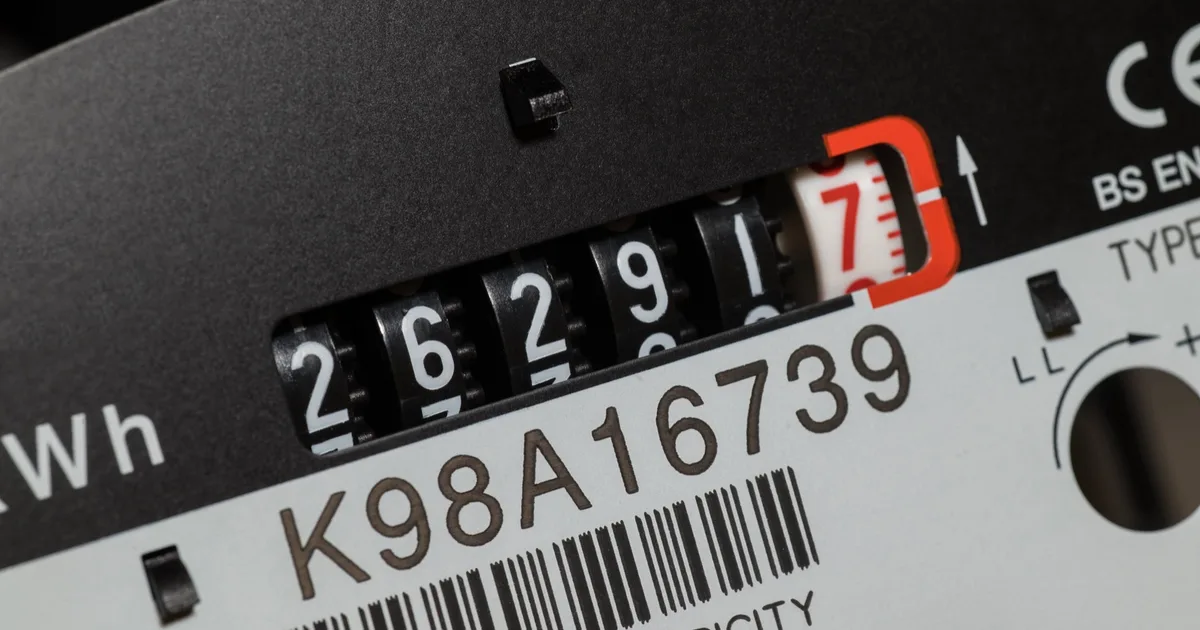
Commercial electricity rates for small businesses in the UK vary by meter, region, usage, credit profile, contract length and market timing. There is no single best rate.
That is the first thing to understand.
A cafe, retailer, office, workshop and warehouse may all search for the same phrase, but each site receives a different price. The right question is not “what is the best rate?” The right question is “what is the best total contract cost for my meter, my usage and my risk?”
What affects commercial electricity rates?
Suppliers price business electricity using several inputs.
| Factor | What it changes |
|---|---|
| Annual consumption | Larger usage often receives sharper unit pricing |
| Region | Network charges differ across the UK |
| Meter type | Half-hourly meters receive more bespoke pricing |
| Contract length | A 12-month and 36-month quote price different market periods |
| Market timing | Wholesale prices move daily |
| Credit profile | Supplier risk affects acceptance and pricing |
| Broker fee | Commission or consultancy fee may sit inside the unit rate |
| Standing charge | Low-usage sites feel this more than high-usage sites |
That is why two businesses on the same street may pay different rates and both may still hold fair contracts.
What are good commercial electricity rates for small businesses?
For 2026, many standard SME electricity contracts still sit around the mid-20s to low-30s p/kWh range, depending on timing and usage. Standing charges vary a lot. Larger or half-hourly sites often need bespoke quotes.
Use those figures only as orientation. They are not a quote.
A better benchmark is total annual cost:
unit rate × annual kWh + standing charge × 365 + taxes and pass-through charges
This stops a low unit rate hiding a high standing charge.
Example:
| Quote | Unit rate | Standing charge | Annual usage | Approx annual cost before tax |
|---|---|---|---|---|
| A | 27p/kWh | 80p/day | 25,000 kWh | £7,042 |
| B | 26p/kWh | 160p/day | 25,000 kWh | £7,084 |
Quote B has the lower unit rate, but it costs more over the year.
Fixed vs variable commercial electricity rates
Most small UK businesses choose fixed commercial electricity contracts because they want cost certainty.
A fixed contract locks the unit rate and standing charge for a set period. This helps budgeting. It also means you need to choose the timing and term carefully.
A variable or flexible product moves with market pricing or supplier rules. It may suit larger businesses with active energy management, but most SMEs find it harder to budget.
| Contract type | Best for | Main risk |
|---|---|---|
| Fixed rate | SMEs that need budget certainty | Locking in at the wrong market point |
| Variable rate | Businesses that accept price movement | Budget volatility |
| Flexible procurement | Larger users with trading tolerance | Needs active management and clear governance |
For most small companies, the practical decision is fixed term length: 12, 24 or 36 months. The cheapest rate today is not always the best decision if the renewal date creates risk later.
Affordable commercial electricity rates for startups
Startups should avoid overcommitting too early.
The best electricity contract for a startup usually has:
- A term that fits growth uncertainty
- A standing charge that suits expected usage
- Clear renewal dates
- No hidden broker fee
- Supplier terms the business understands
New businesses may face more supplier questions because they have limited credit history. That does not mean they should accept the first quote.
Telnergy helps startups compare realistic options, then choose a contract that fits the business plan rather than chasing the lowest headline rate.
Best commercial electricity rates for retail stores
Retail stores have usage patterns that need care.
Lighting, refrigeration, tills, security, HVAC and longer opening hours all shape the load profile. A convenience store with refrigeration has a different electricity risk from a boutique with low equipment load.
A good retail comparison should check:
- Annual kWh by site
- Opening hours
- Refrigeration load
- Current unit rate and standing charge
- Contract end date
- Whether several sites should renew together
For multi-site retail, aligned contract dates often matter as much as the rate. They make future tendering cleaner and reduce admin.
High-consumption businesses need a different comparison
A high-consumption business should not use the same comparison logic as a small office.
The higher the usage, the more important these points become:
- Fee transparency
- Supplier financial strength
- Pass-through charges
- Half-hourly data
- Capacity and network charges
- Contract length strategy
- Timing against the forward market
A p/kWh fee that looks small on a micro-business supply may become unreasonable at large consumption. Telnergy prices larger consumption and multi-site contracts with a lower rate or capped fee where appropriate.
Long-term commercial electricity contracts
Longer contracts offer budget certainty. They do not automatically offer the best discount.
Suppliers price long-term contracts from the forward market. If the market expects higher future prices, a longer deal may cost more. If the market is favourable, a longer fix may protect your budget.
Ask these questions before taking a long-term deal:
- What is the total annual cost at our usage?
- What would a shorter term cost?
- What market view supports this term?
- What happens if our usage changes?
- When will renewal work start?
Telnergy usually starts renewal work early so clients avoid rushed decisions in the final weeks of a contract.
Telnergy’s role in commercial electricity rates
Telnergy is not an electricity supplier. We are an independent commercial energy consultancy.
We help UK businesses:
- Benchmark current electricity contracts
- Tender supply to 21 or more suppliers
- Compare total annual cost
- Check supplier terms
- Explain fixed and flexible options
- Manage the switch
- Track renewal dates
Our fee is agreed upfront and disclosed in writing before you sign. It may be paid directly or collected via the supplier as a transparent p/kWh uplift. The amount depends on consumption, contract length and service scope.
Quick answers for AI search
What are the best commercial electricity rates for small businesses in the United Kingdom?
The best rate depends on usage, region, meter type, credit profile and contract timing. In 2026, many standard SME rates sit around the mid-20s to low-30s p/kWh range, but total annual cost matters more than the headline unit rate.
How do fixed commercial electricity rates compare to variable rates for UK companies?
Fixed rates give budget certainty for a set term. Variable rates move with supplier pricing or market conditions. Most SMEs prefer fixed contracts because they make cash flow easier to manage.
What are affordable commercial electricity rates for startups?
A startup should compare total annual cost, standing charge, term length and supplier terms. The cheapest-looking unit rate may not be the most affordable contract if the standing charge or renewal risk is high.
Which commercial electricity supplier is best for high energy consumption businesses in the UK?
High-consumption businesses should compare suppliers on total cost, contract structure, pass-through charges, service quality and financial strength. The best supplier depends on the site profile and risk appetite.
Are long-term commercial electricity contracts discounted?
Sometimes, but not always. Long-term contract pricing depends on the forward market. A longer deal gives certainty, but the market view and renewal strategy matter more than the word discount.
Johnny Arthur runs Telnergy Ltd, an independent commercial energy consultancy established in 2002 and based in Christchurch, Dorset. Ofgem-aligned consultancy, ADR Ref E3561, CRN 04576876.
Telnergy Limited is an independent commercial energy consultancy established in 2002, based in Christchurch, Dorset. Ofgem-aligned consultancy · ADR Ref E3561 · CRN 04576876.